Astaxanthin isn’t just a human supplement — it has a real, if smaller, body of veterinary research behind it, most of it conducted specifically in dogs. Studies from Washington State University and follow-up immune research have measured how dogs absorb astaxanthin, what doses were used, and what effects showed up on immune markers and inflammation. This isn’t repackaged human research; the canine studies stand on their own.
That said, “there’s research” and “you should give your dog a human supplement” are two different claims. This article covers what the actual canine studies found, what doses they used, and what a pet owner should think about before adding astaxanthin to a dog’s routine.
Key Takeaways
- A Washington State University study dosed Beagles with 0 to 40 mg astaxanthin and found dogs absorb it into plasma similarly to humans, with peak concentration around 6 hours and a half-life of 9 to 18 hours [1].
- A separate immune-function study in dogs fed 10, 20, or 40 mg astaxanthin daily for 16 weeks found enhanced natural killer cell activity, increased IgG/IgM, and lower C-reactive protein — a marker of inflammation [2].
- No adverse effects were reported at any dose tested in these canine trials, up to 40 mg/day.
- Typical pet-product dosing guidance in the veterinary supplement market runs much lower than the research doses — commonly around 0.1 to 0.2 mg per kilogram of body weight per day, well under what the trials used.
- Human astaxanthin supplements are not formulated or dosed for dogs; any use should go through a product intended for pets or be discussed with a veterinarian first, particularly for dogs on medication or with existing health conditions.
What the Canine Absorption Research Actually Found
The foundational study here dosed mature female Beagles (roughly 11 to 14 kg) with single oral doses of 0, 0.1, 0.5, 2.5, 10, or 40 mg astaxanthin, then tracked blood levels over 24 hours. A companion study repeated dosing daily for 15 to 16 days to see how plasma concentrations built up over time. The results showed dogs absorb astaxanthin similarly to humans and cats: peak plasma concentration occurred around 6 hours post-dose, plasma astaxanthin continued rising through the two-week dosing period, and the compound was found mainly bound to HDL cholesterol in the bloodstream, with roughly half of the astaxanthin taken up by leukocytes concentrated in the mitochondria [1].
This matters practically for two reasons. First, it confirms astaxanthin needs dietary fat to absorb in dogs just as it does in humans — giving it on an empty stomach or with a very low-fat meal will reduce uptake. Second, it establishes that the biokinetics (how fast it’s absorbed, how long it stays in circulation) are close enough to human data that researchers use dogs as a comparative model species for astaxanthin absorption science.

What the Immune-Function Study Showed
A separate trial fed Beagles 10, 20, or 40 mg astaxanthin daily for 16 weeks and measured a battery of immune markers: delayed-type hypersensitivity response to a vaccine challenge, lymphocyte proliferation, natural killer cell cytotoxicity, immunoglobulin (IgG and IgM) levels, and C-reactive protein, a standard marker of systemic inflammation. Dogs receiving astaxanthin showed enhanced immune response across several of these measures — increased NK cell activity, higher antibody levels, and lower CRP compared to controls — with the 20 mg dose showing particularly clear effects on lymphocyte proliferation at the 12-week mark [2].
This is a meaningfully different kind of evidence than a pure absorption study: it’s measuring biological effect, not just whether the compound gets into the bloodstream. No adverse effects were reported at any of the doses tested, including the highest 40 mg/day arm, over the full 16-week study period.
Translating Research Doses Into Real-World Guidance
The research doses (10–40 mg/day in dogs weighing roughly 8–14 kg) are considerably higher, on a per-kilogram basis, than what most commercial pet astaxanthin products recommend. Veterinary supplement guidance commonly lands around 0.1 to 0.2 mg per kilogram of body weight per day — for a 20 kg dog, that works out to roughly 2 to 4 mg daily, well below the trial doses. This gap doesn’t mean the research is irrelevant; it establishes a wide safety margin above typical commercial dosing, which is reassuring, but it also means pet owners shouldn’t assume “more mirrors the study, so more is better.” The trials used specific, monitored doses in a controlled research setting, not a green light for unsupervised high-dose use.

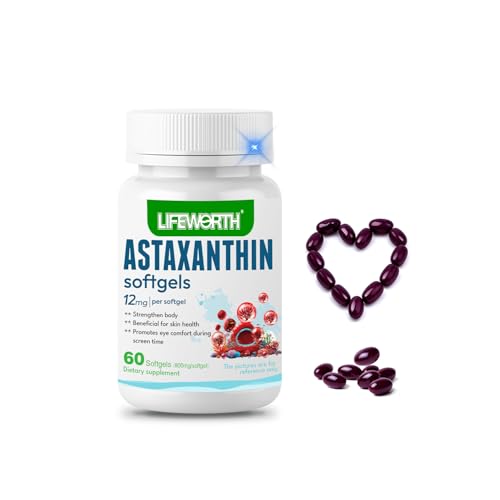
There is also a practical sourcing issue: human astaxanthin softgels are formulated and dosed for human body weights, often in a base oil or with other ingredients (some softgel formulations include additives) not evaluated for canine use. A dog-specific product, dosed appropriately for the animal’s weight, is the more defensible choice over splitting open a human capsule.
Safety Considerations Before Starting
The published canine trials didn’t report adverse effects at doses up to 40 mg/day, which is a reasonably clean safety signal for a compound with a fairly small formal research base in this species. That said, a few practical cautions apply. Dogs already on medications that affect clotting, or on high-dose fish oil, should be monitored for unusual bruising given a theoretical (not established in canine research) antioxidant interaction with platelet function at high doses. There is no published safety data for pregnant or nursing dogs, so astaxanthin use in that context should be avoided absent veterinary guidance. And as with any supplement decision for a dog with an existing health condition, particularly diabetes, kidney disease, or immune-mediated disorders, running it by a veterinarian first is the responsible move given how much research doses can differ from consumer product doses.
Frequently Asked Questions
Is astaxanthin safe for dogs?
Published canine research found no adverse effects at doses up to 40 mg/day over periods of two to sixteen weeks. That’s a reassuring safety signal, but pet owners should still use a dog-formulated product at an appropriate dose rather than assuming any dose is fine.
What dose of astaxanthin should I give my dog?
Commercial pet-product guidance generally suggests around 0.1 to 0.2 mg per kilogram of body weight daily, which is meaningfully lower than the 10–40 mg doses used in the research trials on dogs of similar size. Follow the product label and consult a veterinarian, especially for dogs with health conditions or on medication.
Can I give my dog a human astaxanthin supplement?
It’s not the recommended approach. Human softgels are dosed and formulated for human body weights and may contain other ingredients not evaluated for dogs. A dog-specific astaxanthin product, dosed for the animal’s weight, is the safer choice.
What benefits does the research suggest for dogs specifically?
Canine trials have found enhanced immune markers — natural killer cell activity, antibody levels, and reduced inflammation (lower C-reactive protein) — with sustained daily dosing over several weeks to months. These are the same general categories of effect seen in human research, though the canine evidence base is smaller.
References
- Astaxanthin uptake in domestic dogs and cats. Nutr Metab (Lond) (2010). PMID 20565971
- Dietary astaxanthin enhances immune response in dogs. Vet Immunol Immunopathol (2011). PMID 21208664
These statements have not been evaluated by the Food and Drug Administration. This information is not intended to diagnose, treat, cure, or prevent any disease. Content is for informational purposes only and is not medical advice; consult a qualified healthcare provider before starting any supplement. As an Amazon Associate we earn from qualifying purchases.
