Astaxanthin is a reddish-pink keto-carotenoid produced primarily by the freshwater microalgae Haematococcus pluvialis. Unlike most antioxidants, it integrates across both the lipid and aqueous layers of cell membranes, giving it unusually broad capacity to neutralize free radicals and singlet oxygen. These properties have drawn interest from researchers studying metabolic conditions, because oxidative stress is now recognized as a driver—not merely a byproduct—of insulin resistance, pancreatic beta-cell damage, and impaired glucose metabolism.
This article summarizes what peer-reviewed research currently shows about astaxanthin and blood sugar regulation, covering animal studies, small human trials in people with prediabetes, type 2 diabetes, and polycystic ovary syndrome (PCOS). The evidence is genuinely interesting, but most human studies are small and short in duration. Nothing here constitutes medical advice, and no one should alter a diabetes management plan without consulting their physician.
Key Takeaways
- Astaxanthin’s antioxidant activity may help preserve insulin signaling by reducing the oxidative stress that disrupts IRS-1/AKT pathways in liver and muscle cells.
- Animal studies consistently show improvements in glucose metabolism, insulin sensitivity, and metabolic syndrome features with astaxanthin supplementation [1] [2] [3].
- Human trials in prediabetes [4], type 2 diabetes [5], and PCOS [6] report favorable effects on glucose and insulin resistance markers, though sample sizes are small.
- Astaxanthin may raise adiponectin levels [7], a hormone that directly sensitizes liver and muscle to insulin—a plausible and testable mechanism for the observed metabolic effects.
- Most human evidence comes from short trials with fewer than 100 participants; larger, longer, and independently replicated studies are needed before firm clinical recommendations can be made.
The Oxidative Stress–Insulin Resistance Connection
Insulin resistance—the state where cells respond poorly to insulin’s signal to take up glucose—is closely entangled with chronic oxidative stress. Excess reactive oxygen species (ROS) can phosphorylate serine residues on insulin receptor substrate-1 (IRS-1), disrupting the downstream AKT/PI3K signaling cascade that normally allows GLUT4 transporters to ferry glucose into muscle and fat cells. Pancreatic beta cells, which secrete insulin in response to rising blood glucose, are also vulnerable: they have relatively modest antioxidant defenses and are readily damaged by sustained oxidative load.
Astaxanthin’s proposed mechanism in metabolic health runs directly through this pathway. By quenching ROS both inside and outside the cell membrane, it may preserve insulin signaling fidelity and protect beta cells from glucolipotoxicity. Preclinical work has begun to characterize these effects at the molecular level, while a growing body of small human trials is testing whether the pattern holds in people.
Animal Evidence: Liver, Muscle, and Metabolic Syndrome
Some of the clearest mechanistic evidence comes from rodent models. A study in insulin-resistant mice found that astaxanthin supplementation prevented deterioration of hepatic insulin signaling and improved glucose metabolism in the liver [1]. This is significant because the liver is a central node in glucose homeostasis: it stores excess glucose as glycogen and suppresses its own glucose output in response to insulin. When that suppression breaks down, fasting blood glucose climbs. The restoration of liver insulin sensitivity in this model pointed to preserved IRS-1/AKT signaling as the likely mechanism.

In a spontaneously hypertensive rat model prone to metabolic syndrome features, astaxanthin supplementation was associated with improvements in multiple components of the syndrome, including visceral fat accumulation and dyslipidemia [2]. A separate rat study found that high-dose astaxanthin lowered blood pressure and increased insulin sensitivity, with the authors noting the two effects appeared interdependent—improved vascular function and improved glucose metabolism may reinforce each other [3].

More recently, research in tumor-bearing mice treated with the chemotherapy drug sorafenib found that astaxanthin supplementation helped reverse abnormal glucose metabolism in skeletal muscle [8]. Muscle is responsible for the majority of insulin-stimulated glucose uptake in humans, so preserving its metabolic function is directly relevant to whole-body glucose regulation, even if this specific study context is far removed from typical supplementation scenarios.
Human Evidence in Prediabetes and Healthy Adults
Translating animal findings to humans is never guaranteed, which is why a 2021 randomized controlled trial in healthy volunteers and individuals with prediabetes is one of the more informative studies in this field [4]. Participants received astaxanthin supplementation and were assessed for glucose metabolism and modified low-density lipoprotein (LDL). The prediabetes subgroup showed improvements in glucose-related outcomes, and researchers also observed favorable changes in oxidized LDL—a form of LDL that is more atherogenic and is elevated under conditions of chronic oxidative stress. The finding suggests astaxanthin may have metabolic benefits extending beyond glucose regulation alone.
A separate human study examined the effect of natural astaxanthin on serum HDL-cholesterol and adiponectin in subjects with mild hyperlipidemia [7]. Both markers are relevant to insulin sensitivity: HDL participates in reverse cholesterol transport and carries anti-inflammatory properties, while adiponectin is a fat-cell hormone that directly sensitizes muscle and liver to insulin. Increases in adiponectin are associated with reduced insulin resistance and a lower risk of type 2 diabetes. The observation that astaxanthin raised adiponectin levels in this population is mechanistically plausible and metabolically meaningful.
Clinical Trials in Type 2 Diabetes and PCOS
A clinical study in patients with type 2 diabetes mellitus found that astaxanthin supplementation was associated with improvements in glucose metabolism alongside reductions in blood pressure [5]. The co-occurrence of these effects is consistent with animal data suggesting the two phenomena may be linked through reduced oxidative stress and improved endothelial function. As with much of this literature, the study was relatively small and the findings require replication in larger, longer trials.
A more methodologically rigorous triple-blind randomized clinical trial investigated astaxanthin supplementation in women with polycystic ovary syndrome—a condition characterized by insulin resistance, androgen excess, and chronic low-grade inflammation [6]. The trial measured insulin resistance (using HOMA-IR), lipid profiles, blood pressure, and oxidative stress markers. Astaxanthin showed a statistically significant impact on these parameters compared to placebo. Because insulin resistance is a core feature of PCOS in many patients rather than a secondary complication, this trial population is particularly informative about astaxanthin’s potential in insulin-resistant states.

Adiponectin and the Broader Metabolic Picture
Adiponectin deserves particular attention as a biomarker connecting astaxanthin supplementation to insulin sensitivity. This adipokine activates AMPK (AMP-activated protein kinase) in muscle and liver, promoting fatty acid oxidation and suppressing hepatic glucose output—effects that partially mimic exercise and the diabetes drug metformin at the molecular level. Low adiponectin levels are strongly associated with obesity, type 2 diabetes, and metabolic syndrome. The observation that natural astaxanthin raised adiponectin in a human trial [7] provides a credible biochemical pathway through which the supplement might influence insulin sensitivity.

Oxidative stress also affects lipid metabolism in ways that compound metabolic risk. A study examining the combined effects of astaxanthin and squalene found significant reductions in oxidative stress markers in vivo [9]. While this study used a combination rather than astaxanthin alone, it reinforces the broader point that reducing systemic oxidative burden—which astaxanthin is demonstrably capable of—has downstream consequences for lipid and metabolic health. Oxidized LDL particles are far more likely to trigger arterial inflammation than native LDL, and their reduction represents a meaningful benefit across metabolic and cardiovascular risk.
Pancreatic Beta Cell Protection: Emerging Mechanistic Research
Sustained high blood glucose and elevated fatty acids (glucolipotoxicity) progressively damage pancreatic beta cells, reducing the body’s capacity to produce insulin over time. Research on an astaxanthin-S-allyl cysteine conjugate compound found that it protected beta cells from glucolipotoxicity by suppressing oxidative stress, endoplasmic reticulum (ER) stress, and mTOR pathway dysregulation [10]. ER stress is increasingly recognized as a mechanism linking obesity and hyperlipidemia to beta cell failure. A related study found that this conjugate diminished oxidative stress and mitochondrial dysfunction in a rat model of diabetes [11].
It is important to flag that both studies used an astaxanthin-S-allyl cysteine conjugate—a synthetic derivative—rather than natural astaxanthin from Haematococcus pluvialis. Findings from modified conjugate compounds cannot be assumed to apply directly to standard astaxanthin supplements. These studies are best understood as mechanistic probes that illuminate why astaxanthin’s antioxidant properties might be relevant to beta cell health, not as evidence for any particular product on the market.
🛒 Where to Buy Astaxanthin
- Nutrex Hawaii BioAstin Hawaiian AstaxanthinLab-tested / studied
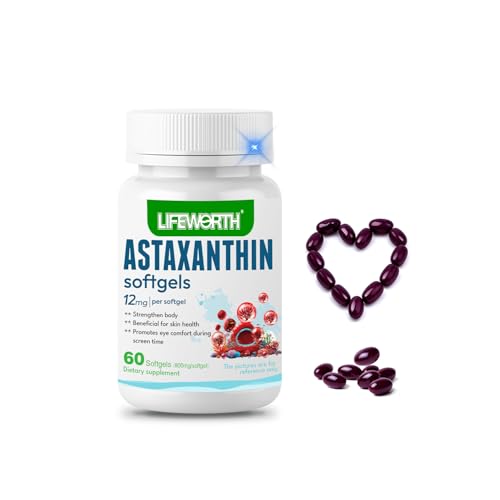
softgels, 12 mg per softgel, 90 count — Hawaiian-grown Haematococcus pluvialis, sold as the High Potency 90-softgel bottle - Pure Synergy SuperPure Astaxanthin Extract
capsules, 60 count — Sold as an astaxanthin extract in a capsule rather than a softgel; the listing does not state a mg per capsule, so check the label for the dose before comparing it with the 12 mg bottles here - Naturalis New Zealand Astaxanthin
softgels, 12 mg per softgel, 120 count — New Zealand-grown rather than Hawaiian, and the largest bottle on this list at 120 softgels - NOW Foods Astaxanthin
softgels, 4 mg per softgel — The entry-level 4 mg dose, built on the Zanthin astaxanthin ingredient; a lower starting point than the 12 mg bottles above
As an Amazon Associate we earn from qualifying purchases. Astaxanthin products vary mainly by dose and by source, with 4mg and 12mg the common strengths and most of them derived from Haematococcus pluvialis algae, so check the label for the astaxanthin content per serving and prefer products that publish third-party testing.
A Note on the Evidence
The human clinical evidence on astaxanthin and blood sugar remains limited to small, short-duration trials and does not yet support astaxanthin as a standalone treatment for diabetes, prediabetes, or insulin resistance. People who are pregnant, breastfeeding, or taking blood sugar-lowering medications should consult a healthcare provider before adding any supplement, as astaxanthin’s safety in pregnancy is not established and its potential interaction with glucose-lowering drugs has not been adequately studied.

Frequently Asked Questions
Can astaxanthin lower blood sugar in people with type 2 diabetes?
A clinical study in people with type 2 diabetes found astaxanthin supplementation was associated with improvements in glucose metabolism and blood pressure [5]. However, this was a single small study, and astaxanthin is not a substitute for prescribed diabetes medications. Anyone with type 2 diabetes should discuss any supplement use with their physician before starting.
How might astaxanthin improve insulin sensitivity?
The primary proposed mechanism is antioxidant protection of insulin signaling pathways. Oxidative stress impairs IRS-1 function, disrupting the chain of events that allows cells to take up glucose. Animal research shows astaxanthin can preserve hepatic insulin signaling in insulin-resistant mice [1]. Raising adiponectin—a fat-cell hormone that activates insulin-sensitizing pathways in muscle and liver—appears to be a secondary mechanism supported by human data [7].
Is there clinical evidence for astaxanthin in prediabetes specifically?
Yes, though limited. A 2021 randomized trial that included subjects with prediabetes found that astaxanthin supplementation produced beneficial effects on glucose metabolism and also reduced modified LDL, a marker of oxidative damage to lipoproteins [4]. The prediabetes subgroup showed improvements, but the overall sample was modest in size and the study should be considered preliminary.
What does the evidence say about astaxanthin for PCOS and insulin resistance?
A triple-blind randomized clinical trial in women with polycystic ovary syndrome found that astaxanthin supplementation significantly affected insulin resistance measured by HOMA-IR, lipid profiles, blood pressure, and oxidative stress markers compared to placebo [6]. Because PCOS frequently involves pronounced insulin resistance as a core feature, this population is a useful test case, and the results are encouraging, though replication is needed.
Does astaxanthin affect cholesterol or other metabolic markers beyond glucose?
Research in subjects with mild hyperlipidemia found that natural astaxanthin increased serum HDL-cholesterol and adiponectin [7], both favorable changes for metabolic and cardiovascular health. The prediabetes trial also reported reductions in oxidized LDL [4]. Blood pressure reductions have been noted in both animal studies [3] and a human trial in people with type 2 diabetes [5].
What dose of astaxanthin has been used in metabolic health studies, and is it safe?
Doses in the cited human studies generally range from 6 mg to 12 mg per day taken orally. Natural astaxanthin from Haematococcus pluvialis holds GRAS status and has shown no serious adverse effects in trials up to 12 mg per day for 12 weeks. At very high intakes above 20 mg per day, a reversible orange-yellow skin tint (carotenodermia) has been reported; evidence in pregnancy is insufficient, so supplementation is not recommended during pregnancy or breastfeeding.
References
- Bhuvaneswari S et al. Astaxanthin prevents loss of insulin signaling and improves glucose metabolism in liver of insulin resistant mice. Canadian journal of physiology and pharmacology (2012). PMID 23181282
- Hussein G et al. Astaxanthin ameliorates features of metabolic syndrome in SHR/NDmcr-cp. Life sciences (2007). PMID 17074368
- Preuss HG et al. High dose astaxanthin lowers blood pressure and increases insulin sensitivity in rats: are these effects interdependent?. International journal of medical sciences (2011). PMID 21326955
- Urakaze M et al. The Beneficial Effects of Astaxanthin on Glucose Metabolism and Modified Low-Density Lipoprotein in Healthy Volunteers and Subjects with Prediabetes. Nutrients (2021). PMID 34959932
- Mashhadi NS et al. Astaxanthin improves glucose metabolism and reduces blood pressure in patients with type 2 diabetes mellitus. Asia Pacific journal of clinical nutrition (2018). PMID 29384321
- Jabarpour M et al. Astaxanthin supplementation impact on insulin resistance, lipid profile, blood pressure, and oxidative stress in polycystic ovary syndrome patients: A triple-blind randomized clinical trial. Phytotherapy research : PTR (2024). PMID 37874168
- Yoshida H et al. Administration of natural astaxanthin increases serum HDL-cholesterol and adiponectin in subjects with mild hyperlipidemia. Atherosclerosis (2010). PMID 19892350
- Ren P et al. Astaxanthin Supplementation Assists Sorafenib in Slowing Skeletal Muscle Atrophy in H22 Tumor-Bearing Mice via Reversing Abnormal Glucose Metabolism. Molecular nutrition & food research (2023). PMID 37177891
- Ravi Kumar S et al. Combined effect of astaxanthin and squalene on oxidative stress in vivo. Molecular and cellular biochemistry (2016). PMID 27188184
- Sakayanathan P et al. Astaxanthin-S-Allyl Cysteine Ester Protects Pancreatic β-Cell From Glucolipotoxicity by Suppressing Oxidative Stress, Endoplasmic Reticulum Stress and mTOR Pathway Dysregulation. Journal of biochemical and molecular toxicology (2024). PMID 39555722
- Penislusshiyan S et al. Novel antioxidant astaxanthin-s-allyl cysteine biconjugate diminished oxidative stress and mitochondrial dysfunction to triumph diabetes in rat model. Life sciences (2020). PMID 32001265
These statements have not been evaluated by the Food and Drug Administration. This information is not intended to diagnose, treat, cure, or prevent any disease. Content is for informational purposes only and is not medical advice; consult a qualified healthcare provider before starting any supplement. As an Amazon Associate we earn from qualifying purchases.
