Astaxanthin is a keto-carotenoid with an unusual chemical structure that allows it to anchor across the full thickness of a cell membrane, sitting in both the fat-soluble interior and the water-facing outer layer simultaneously. This positioning is thought to underlie its particularly broad antioxidant activity. Unlike beta-carotene or lycopene, astaxanthin is not made by land plants; it originates almost exclusively in aquatic environments, produced by certain microalgae and marine bacteria under stress conditions.
If you eat salmon, shrimp, or lobster and notice their characteristic pink or red flesh, you are looking at astaxanthin. Every milligram of it in those animals traces back through the food chain to photosynthetic microorganisms. Understanding where astaxanthin comes from in nature helps clarify both why dietary intakes are generally modest and why concentrated supplements are formulated the way they are.
Key Takeaways
- Astaxanthin is produced by microalgae (primarily Haematococcus pluvialis) and accumulates in marine animals — salmon, shrimp, lobster, crab, and krill — through the food chain.
- Wild sockeye salmon has among the highest astaxanthin concentrations of common food sources; farmed salmon often receives astaxanthin through feed, sometimes synthetic.
- Typical dietary intakes from food are modest and generally below the doses (4–12 mg/day) used in human clinical trials.[1]
- Absorption of astaxanthin from any source improves when eaten or taken with dietary fat.[2]
- Haematococcus pluvialis algae is the primary commercial source for supplements and holds GRAS status; no serious adverse effects have been reported in trials at up to 12 mg/day.
The Primary Producer: Haematococcus pluvialis Microalgae
Haematococcus pluvialis is a freshwater green microalga and the most prolific natural producer of astaxanthin on Earth. When the algae experience environmental stress — intense ultraviolet light, nutrient deprivation, or high salinity — they shift into a dormant cyst stage and accumulate astaxanthin in large intracellular droplets. This pigment acts as a photoprotective shield, absorbing and neutralizing damaging radiation. Dry-weight astaxanthin content in stressed Haematococcus cultures can reach levels far exceeding those found in any food source, which is why this alga is the preferred feedstock for commercial astaxanthin production.
Haematococcus-derived astaxanthin consists predominantly of the free, unesterified form as well as fatty-acid mono- and di-esters. The ester forms require hydrolysis before absorption, which occurs to varying degrees in the human digestive tract. This alga holds Generally Recognized as Safe (GRAS) status in the United States, and human trials have used doses ranging from 4 mg to 12 mg per day, typically derived from this species. No other microalgal source approaches it for yield or commercial viability at present.
Wild Salmon: The Best-Known Dietary Source
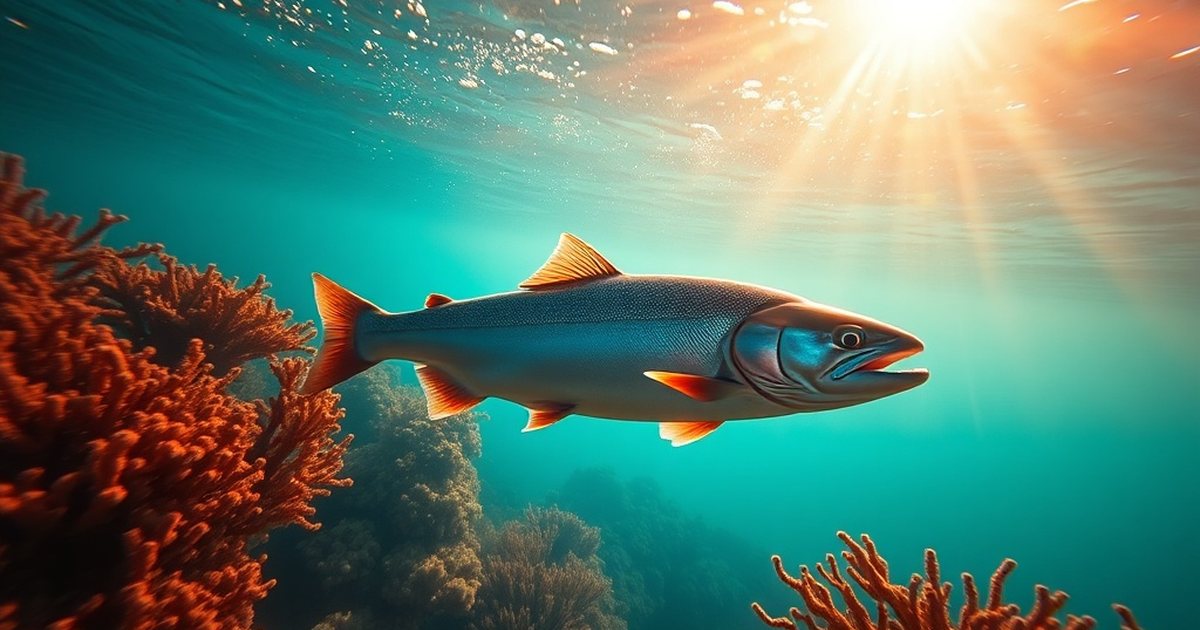
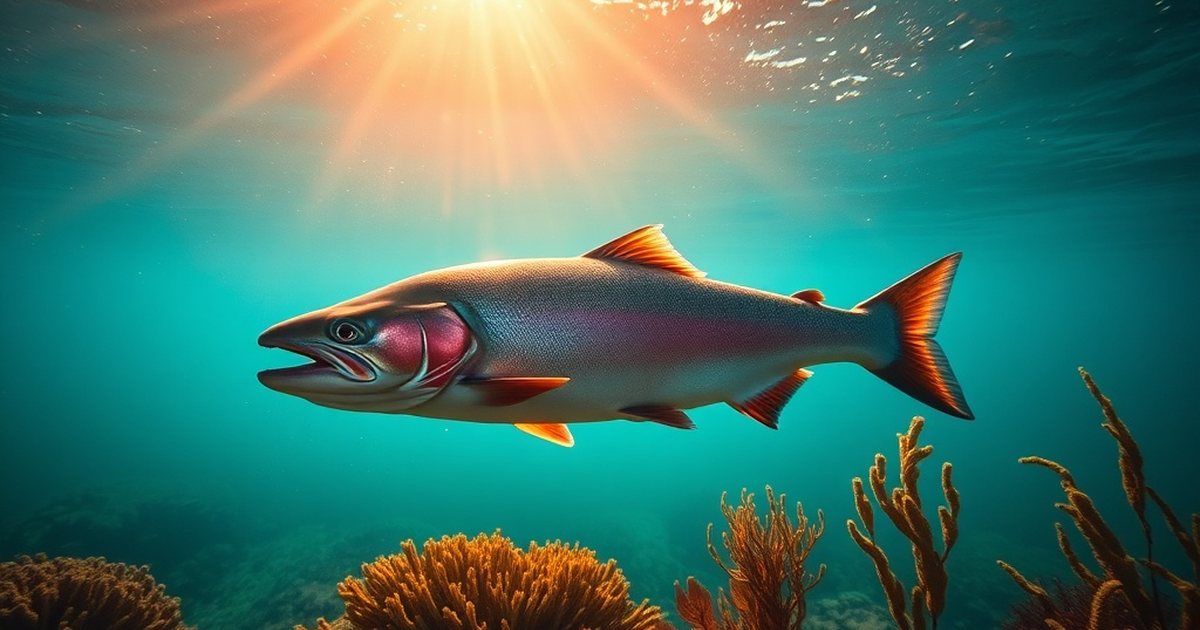
Salmon accumulate astaxanthin by consuming krill, copepods, and smaller fish that themselves fed on astaxanthin-producing microalgae. The pigment is stored in muscle tissue and in the skin, giving wild salmon its characteristic deep-orange flesh. Not all salmon species carry equal amounts: sockeye salmon (Oncorhynchus nerka) tends to be among the richest, with flesh concentrations substantially higher than pink salmon or Atlantic salmon. The actual amount in any given fish depends on the species, its age, the composition of its wild diet, and the season.

Farmed Atlantic salmon, which dominates global salmon consumption, presents a different picture. Without natural prey containing astaxanthin, farmed fish would have pale grey flesh. To produce the coloring consumers expect — and to confer some nutritional benefit — most aquaculture operations add astaxanthin to feed. Historically, much of this was synthetic astaxanthin (produced petrochemically), which is chemically similar in structure but differs in stereochemistry from the predominant form found in nature. Some producers now use Haematococcus-derived astaxanthin or astaxanthin from other biological sources. If the origin matters to you, checking product labels or asking suppliers is the most reliable approach.
Shrimp, Lobster, Crab, and Krill
Crustaceans are excellent visual indicators of astaxanthin in nature. In living shrimp and lobster, astaxanthin is bound to a protein called crustacyanin, which shifts the pigment’s color toward blue or brown. Cooking denatures that protein, freeing the astaxanthin and revealing its characteristic red-orange hue — which is why raw shrimp turn pink when heated. The astaxanthin content in shellfish varies considerably by species and environment. Shrimp generally contain modest concentrations, with most of it concentrated in the shell rather than the flesh.
Krill — the small crustaceans that form the backbone of many marine food webs — are a particularly concentrated source relative to their size and have attracted commercial interest. Krill oil products sold as supplements contain both omega-3 fatty acids and astaxanthin, though the astaxanthin concentration in krill oil is considerably lower than in dedicated astaxanthin supplements from Haematococcus. Crab, particularly the shell and roe, also contains measurable astaxanthin, as do certain species of crayfish and barnacles. In all these animals, the pigment originates from dietary algae and zooplankton, not from the animals themselves.
Other Marine and Freshwater Sources
Rainbow trout accumulate astaxanthin similarly to salmon, and wild-caught trout can carry meaningful concentrations in their flesh. Sea bream (Pagrus major), red sea bream, and other fish raised on astaxanthin-enriched feed in aquaculture also contain the pigment, deliberately added to produce the reddish skin color prized in some markets. Arctic char, a salmonid related to both salmon and trout, is another source worth noting.
Certain yeasts, particularly Phaffia rhodozyma (now reclassified as Xanthophyllomyces dendrorhous), produce astaxanthin naturally and have been explored as a fermentation-based production route. Though not a typical food source for humans, this organism illustrates that astaxanthin biosynthesis is not exclusive to algae. Flamingos and roseate spoonbills owe their distinctive pink plumage to dietary astaxanthin from the brine shrimp and blue-green algae they consume — a vivid illustration of how this pigment moves through food chains and accumulates in tissues.
How Much Astaxanthin Do These Foods Actually Provide?
Placing realistic expectations on dietary intake matters when astaxanthin is discussed in the context of supplementation research. A typical serving of wild sockeye salmon provides a few milligrams of astaxanthin at most, and values can vary substantially depending on the fish’s individual history. Shrimp, unless you are consuming large quantities of shell, delivers much less per serving. Krill oil capsules typically provide a fraction of a milligram per dose. These amounts are nutritionally meaningful and contribute to overall carotenoid intake, but they are lower than the doses used in most human clinical trials, which have commonly ranged from 4 mg to 12 mg of purified astaxanthin daily.

This gap between typical dietary intake and experimental dosing is important context. Eating salmon and shellfish regularly supports a varied, nutrient-dense diet and provides some astaxanthin, but it is unlikely to replicate the concentrated intakes studied in controlled trials. Whether those trial doses confer clinically meaningful benefits — and whether lower, food-derived intakes do the same over time — remain open questions that current evidence does not definitively answer.
Bioavailability: Does the Form Matter?
Astaxanthin is fat-soluble, meaning absorption improves substantially when consumed alongside dietary fat. This is true whether it comes from food or from a supplement capsule. Taking an astaxanthin supplement with a meal containing some fat is consistently recommended in product guidance and aligns with what is known about carotenoid absorption generally. Fish and shellfish, being naturally rich in lipids, may offer inherent bioavailability advantages for the astaxanthin they contain.
The molecular form of astaxanthin also varies across sources. In Haematococcus algae, it occurs largely as fatty-acid esters; in synthetic astaxanthin, it is predominantly free (unesterified); in crustaceans, it is protein-bound; in fish flesh, it is often free or loosely bound. Whether these differences produce meaningful distinctions in human bioavailability is an active area of investigation, and it would be premature to make firm claims about one form being definitively superior to another based on current evidence. What is clear is that astaxanthin from all sources is absorbed more efficiently in the presence of fat.
🛒 Where to Buy Astaxanthin
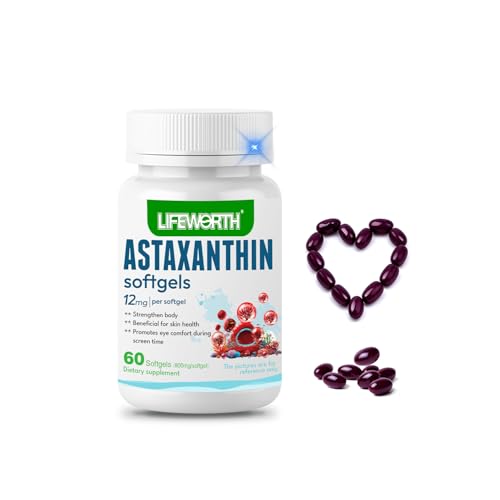
- Nutrex Hawaii BioAstin Hawaiian AstaxanthinLab-tested / studied
softgels, 12 mg per softgel, 90 count — Hawaiian-grown Haematococcus pluvialis, sold as the High Potency 90-softgel bottle - Pure Synergy SuperPure Astaxanthin Extract
capsules, 60 count — Sold as an astaxanthin extract in a capsule rather than a softgel; the listing does not state a mg per capsule, so check the label for the dose before comparing it with the 12 mg bottles here - Naturalis New Zealand Astaxanthin
softgels, 12 mg per softgel, 120 count — New Zealand-grown rather than Hawaiian, and the largest bottle on this list at 120 softgels - NOW Foods Astaxanthin
softgels, 4 mg per softgel — The entry-level 4 mg dose, built on the Zanthin astaxanthin ingredient; a lower starting point than the 12 mg bottles above
As an Amazon Associate we earn from qualifying purchases. Astaxanthin products vary mainly by dose and by source, with 4mg and 12mg the common strengths and most of them derived from Haematococcus pluvialis algae, so check the label for the astaxanthin content per serving and prefer products that publish third-party testing.
A Note on the Evidence
The human research on astaxanthin, while promising in areas such as eye fatigue, skin aging, and exercise recovery, consists largely of small, short-duration trials, and no health claims have been approved by regulatory agencies. Dietary sources provide astaxanthin as part of an overall nutritional pattern and should not be viewed as a treatment for any condition; consult a qualified healthcare provider before using astaxanthin supplements, especially if you are pregnant, breastfeeding, taking medications, or managing a health condition.
Frequently Asked Questions
Which food has the highest natural astaxanthin content?
Haematococcus pluvialis microalgae accumulates the highest concentrations of any natural source, which is why it is the primary basis for commercial supplements. Among commonly eaten foods, wild sockeye salmon is generally considered among the richest sources, with flesh concentrations varying by individual fish, season, and diet history.
Does cooking destroy astaxanthin in salmon or shrimp?
Astaxanthin is relatively heat-stable compared to some other carotenoids. Cooking does alter how it is bound to surrounding proteins — which is why shrimp turn red when heated — but it does not destroy the pigment. Meaningful amounts survive standard cooking methods such as baking, grilling, or steaming.
Is the astaxanthin in farmed salmon the same as in wild salmon?
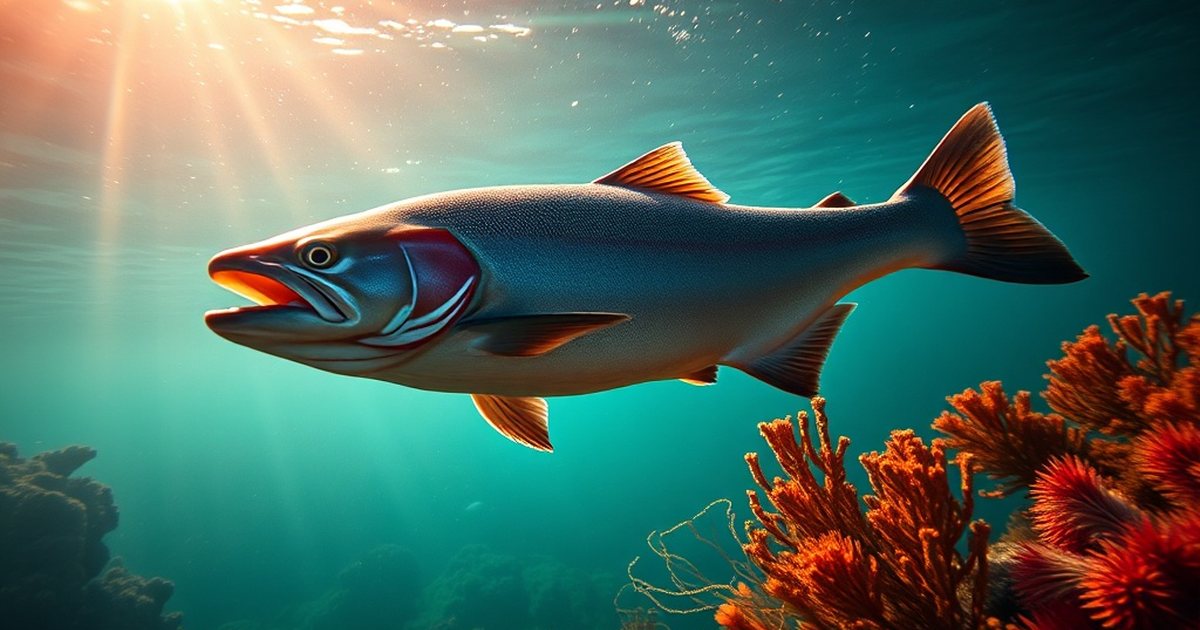
Both can contain astaxanthin, but the source differs. Wild salmon obtain it through their natural diet of krill and smaller prey. Farmed salmon typically receive it through supplemented feed, historically often as synthetic astaxanthin, though some producers use Haematococcus-derived astaxanthin. Synthetic astaxanthin has a slightly different stereochemical profile than the predominant natural form, and ongoing research examines whether this distinction is biologically significant.
Can I get enough astaxanthin from diet alone to match supplement doses?
Human clinical trials have typically used 4 to 12 mg per day of purified astaxanthin. A serving of wild salmon provides a few milligrams at most, and other food sources generally provide less. Achieving consistent intake at trial doses through diet alone would require very frequent consumption of astaxanthin-rich seafood, making supplementation the more practical route for those seeking specific amounts.
Is astaxanthin from krill oil the same as from a dedicated astaxanthin supplement?
Both derive from biological sources and contain naturally occurring astaxanthin. However, krill oil products contain astaxanthin at much lower concentrations — typically a fraction of a milligram per dose — compared to dedicated astaxanthin supplements that may deliver 4–12 mg per capsule. Krill oil is primarily marketed for its omega-3 fatty acid content; the astaxanthin is a secondary component.
Are there any risks associated with astaxanthin from food sources?
Astaxanthin from seafood is considered safe for most people as part of a normal diet. At very high supplemental doses above 20 mg per day, a reversible yellowing or orange tinting of the skin (carotenodermia) has been noted. Evidence in pregnancy is insufficient, so supplementation during pregnancy or breastfeeding is not recommended, though dietary intake from food at normal levels is not known to be problematic. Anyone with shellfish allergies should be aware that some supplements are derived from crustacean-based sources.
References
- Astaxanthin: How much is too much? A safety review. Phytotherapy Research (2019). PMID 31788888
- Astaxanthin: sources, extraction, stability, biological activities and its commercial applications – a review. Marine Drugs (2014). PMID 24402174
These statements have not been evaluated by the Food and Drug Administration. This information is not intended to diagnose, treat, cure, or prevent any disease. Content is for informational purposes only and is not medical advice; consult a qualified healthcare provider before starting any supplement. As an Amazon Associate we earn from qualifying purchases.
