Astaxanthin and beta-carotene both belong to the carotenoid family—the group of pigments responsible for the reds, oranges, and yellows found throughout the plant and animal kingdoms. At a glance they look like close relatives. In practice, a small but consequential set of structural differences separates them in how each molecule sits inside a cell membrane, how it handles reactive oxygen species, and what biological roles it can and cannot fill.
This article compares the two carotenoids honestly: their chemistry, their proposed mechanisms, and what early human research does and does not yet establish. It is informational only and is not a substitute for medical advice.
Key Takeaways
- Astaxanthin differs from beta-carotene structurally because it carries keto and hydroxyl groups at both ring ends, produced by specialized ketolase enzymes not found in most organisms.
- This polar-at-both-ends architecture allows astaxanthin to span cell membrane bilayers and quench reactive oxygen species in both aqueous and lipid phases—an ability beta-carotene’s purely hydrophobic structure does not permit.
- Astaxanthin has no pro-vitamin A activity and cannot contribute to vitamin A status or vitamin A toxicity, unlike beta-carotene.
- Natural astaxanthin from Haematococcus pluvialis is GRAS-status; human trials up to 12 mg/day for 12 weeks have not identified serious adverse effects, though carotenodermia is possible at very high doses.
- Human evidence for astaxanthin’s specific health applications is promising but still early-stage; larger and longer trials are needed before definitive clinical conclusions can be drawn.
What Makes Astaxanthin a Keto-Carotenoid
The carotenoid family splits broadly into two groups: carotenes, which are pure hydrocarbons, and xanthophylls, which carry oxygen-containing functional groups. Beta-carotene is a carotene—a long polyene chain capped at each end by a beta-ionone ring, with no polar substituents. Astaxanthin is a xanthophyll of a more specific subtype called a keto-carotenoid: it carries both a ketone (carbonyl) group and a hydroxyl group on each beta-ionone ring.
Those keto groups do not appear spontaneously. They are added by specialized ketolase enzymes that act on beta-carotene or closely related precursors. Research in cyanobacteria has characterized a distinct, asymmetrically acting beta-carotene ketolase required for the synthesis of echinenone—a mono-keto carotenoid one oxidation step simpler than astaxanthin—confirming that the enzymatic machinery for keto-carotenoid production is specialized and not universally present [1]. Related keto-carotenoid biosynthetic pathways have been studied in photosynthetic bacteria as well, including the chi-ring formation involved in producing okenone [2]. Astaxanthin’s double modification (keto plus hydroxyl at each ring end) makes it among the most oxidized carotenoids found in nature.
How Each Molecule Behaves Inside a Cell Membrane
Because beta-carotene carries no polar groups anywhere on its structure, it is entirely hydrophobic. Inside a phospholipid bilayer it dissolves in the fatty-acid core, parallel to the membrane plane. It cannot anchor at the membrane surfaces where aqueous radicals are generated.

Astaxanthin’s polar hydroxyl and keto groups at both molecular ends give it amphiphilic character. The molecule orients perpendicular to the membrane plane, with its polar ends sitting at each aqueous-lipid interface while the conjugated polyene chain spans the hydrophobic interior. This allows astaxanthin to intercept reactive oxygen species both at the membrane surface and within the lipid core simultaneously—a positional advantage beta-carotene cannot replicate by virtue of its structure alone. A 2022 review of astaxanthin’s pharmaceutical and nutraceutical properties describes this dual-phase membrane positioning as central to its proposed antioxidant mechanism [3].

Antioxidant Mechanism: Singlet Oxygen and Free Radical Quenching
Both carotenoids quench singlet oxygen through energy transfer along their conjugated polyene chains—the alternating single-double carbon bond system that defines the carotenoid scaffold. The length and electronic character of this conjugated system determines quenching efficiency. Astaxanthin’s keto groups extend the effective conjugation length and alter the molecule’s electron density, contributing to its potent singlet oxygen quenching capacity in both lipid and aqueous compartments [3].
A relevant distinction involves pro-oxidant behavior. At elevated concentrations in certain tissue environments, beta-carotene can shift from antioxidant to pro-oxidant—a property that contributed to safety concerns in high-dose supplementation research involving smokers. Astaxanthin’s keto modifications appear to stabilize the molecule against this reversal. However, direct comparative human trial data on pro-oxidant switching between these two molecules specifically is limited in the published literature available.
Neither molecule replaces the full antioxidant defense network. Carotenoid quenching works alongside enzymatic defenses (superoxide dismutase, catalase, glutathione peroxidase) and other dietary antioxidants, not as a standalone system.
Pro-Vitamin A Activity: A Structural Consequence That Matters
One of beta-carotene’s defining biological roles is pro-vitamin A activity. The enzyme beta-carotene 15,15′-monooxygenase cleaves the central double bond of an intact beta-ionone ring, yielding two molecules of retinal, which is then reducible to retinol (vitamin A). This cleavage requires an unmodified, symmetric beta-ionone ring at one or both ends of the molecule.
Astaxanthin’s rings are modified by keto and hydroxyl substituents that block this enzymatic cleavage entirely. Astaxanthin has zero pro-vitamin A activity. This matters in two directions: someone supplementing astaxanthin cannot count on it to support vitamin A status, and astaxanthin carries no risk of contributing to vitamin A toxicity regardless of dose. For those evaluating carotenoids purely as antioxidants rather than as vitamin A precursors, this distinction shifts the risk-benefit calculation toward astaxanthin at higher intakes.
What Early Human Research Suggests for Astaxanthin
Beta-carotene’s research record stretches back decades and includes large-scale trials. Astaxanthin’s human trial record is shorter and the studies are generally smaller. A 2022 review summarizing astaxanthin’s nutraceutical potential notes research interest across several areas: eye fatigue reduction, attenuation of UV-induced skin changes, modulation of exercise-induced oxidative damage, and effects on inflammatory markers [3]. These findings are promising and biologically plausible given the molecule’s membrane behavior, but they represent early evidence that warrants larger, longer, and better-controlled trials before firm clinical conclusions can be drawn.

Natural astaxanthin derived from Haematococcus pluvialis microalgae holds GRAS (Generally Recognized As Safe) status in the United States. Human trials have not identified serious adverse effects at doses up to 12 mg per day for up to 12 weeks. At very high doses—above approximately 20 mg per day—a reversible yellow-orange skin discoloration called carotenodermia has been reported. This is a benign, cosmetically noticeable effect shared with other carotenoids at high intakes, and it resolves when intake is reduced. Evidence on astaxanthin use during pregnancy or breastfeeding is insufficient to support supplementation in those groups.
Natural Sources and How the Two Carotenoids Reach Your Plate
Beta-carotene is among the most abundant carotenoids in the human diet, present in carrots, sweet potatoes, pumpkin, leafy greens, and many other plant foods. It is also produced synthetically at large scale for food coloring and supplementation.
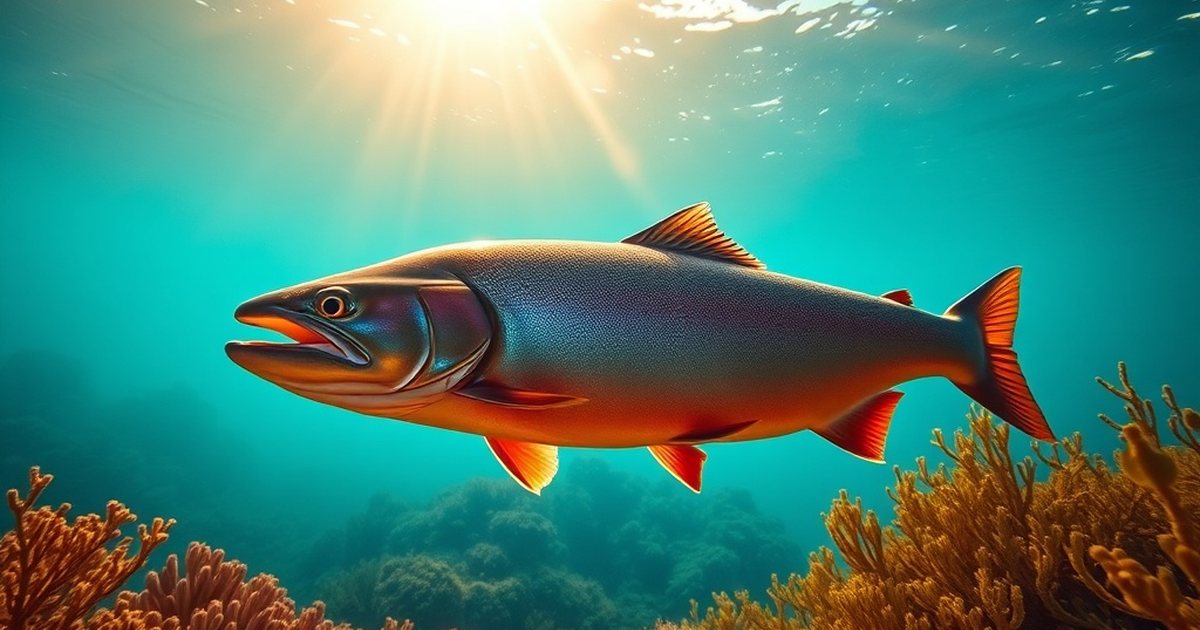
Astaxanthin’s natural production is more specialized. The microalgae Haematococcus pluvialis is the richest known natural source, accumulating astaxanthin under oxidative stress conditions—high light, nutrient deprivation—as a photoprotective pigment. Salmon, shrimp, and other marine animals obtain their pink-red coloration by consuming keto-carotenoid-producing algae or crustaceans, not by synthesizing astaxanthin themselves. The keto-carotenoid biosynthetic machinery is found in specific microorganisms: ketolase enzymes in cyanobacteria convert beta-carotene into simpler keto-carotenoids [1], while distinct pathways in photosynthetic bacteria produce structurally related compounds [2]. Supplement labels specifying ‘from Haematococcus pluvialis’ indicate the natural form that most human trials have evaluated. Synthetic astaxanthin exists and is widely used in aquaculture but differs in stereochemistry from the natural form.
🛒 Where to Buy Astaxanthin
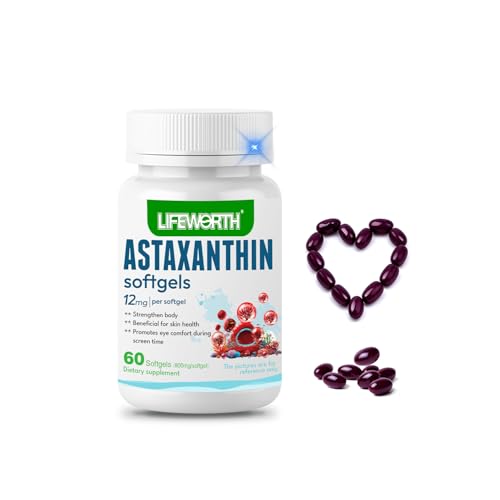
- Nutrex Hawaii BioAstin Hawaiian AstaxanthinLab-tested / studied
softgels, 12 mg per softgel, 90 count — Hawaiian-grown Haematococcus pluvialis, sold as the High Potency 90-softgel bottle - Pure Synergy SuperPure Astaxanthin Extract
capsules, 60 count — Sold as an astaxanthin extract in a capsule rather than a softgel; the listing does not state a mg per capsule, so check the label for the dose before comparing it with the 12 mg bottles here - Naturalis New Zealand Astaxanthin
softgels, 12 mg per softgel, 120 count — New Zealand-grown rather than Hawaiian, and the largest bottle on this list at 120 softgels - NOW Foods Astaxanthin
softgels, 4 mg per softgel — The entry-level 4 mg dose, built on the Zanthin astaxanthin ingredient; a lower starting point than the 12 mg bottles above
As an Amazon Associate we earn from qualifying purchases. Astaxanthin products vary mainly by dose and by source, with 4mg and 12mg the common strengths and most of them derived from Haematococcus pluvialis algae, so check the label for the astaxanthin content per serving and prefer products that publish third-party testing.
A Note on the Evidence
Most human evidence on astaxanthin comes from small, short-duration trials; larger and longer studies are needed before specific health benefits can be considered established. Astaxanthin supplementation is not recommended during pregnancy or breastfeeding, and individuals with health conditions or taking medications should consult a qualified healthcare provider before use. This content is informational only and does not constitute medical advice.
Frequently Asked Questions
Is astaxanthin simply a more potent version of beta-carotene?
They are structurally distinct molecules with different biological roles rather than points on the same potency scale. Astaxanthin’s keto groups alter its membrane behavior and antioxidant reach in ways beta-carotene cannot replicate; conversely, astaxanthin has no pro-vitamin A activity while beta-carotene does. A 2022 review describes astaxanthin’s unique dual-phase antioxidant properties as arising specifically from its polar-nonpolar molecular architecture [3].
Can I take astaxanthin instead of beta-carotene to support vitamin A levels?
No. Astaxanthin cannot be converted to vitamin A because its beta-ionone rings are modified by keto and hydroxyl substituents that block the enzymatic cleavage required for that conversion. If you are relying on carotenoid supplementation for pro-vitamin A activity, beta-carotene or other provitamin A carotenoids are the appropriate choice, not astaxanthin.
Why does astaxanthin come from algae rather than vegetables?
Producing keto-carotenoids requires specialized ketolase enzymes that add carbonyl groups to beta-carotene’s ring structure. Most land plants lack these enzymes. Haematococcus pluvialis microalgae accumulate astaxanthin as a stress-induced photoprotective pigment, making them the most concentrated natural source. Research has confirmed that ketolase-mediated keto-carotenoid synthesis is a trait of specific microorganisms including cyanobacteria and photosynthetic bacteria [1].
What doses of astaxanthin have been studied in humans?
Most human trials have used doses in the range of 4 to 12 mg per day for periods of 4 to 12 weeks. Natural astaxanthin from Haematococcus pluvialis holds GRAS status and has not shown serious adverse effects within this range. At doses above approximately 20 mg per day, reversible orange-yellow skin discoloration (carotenodermia) has been reported. No maximum tolerable intake has been formally established, and long-term data at higher doses is limited.
Are there people who should avoid astaxanthin supplements?
Evidence on astaxanthin use during pregnancy and breastfeeding is insufficient, so supplementation is not recommended in those groups. Individuals on immunosuppressant medication should exercise caution, as some carotenoids have immunomodulatory effects. Anyone with a chronic health condition or taking prescription medications should consult a healthcare provider before adding any supplement. This article is informational only, not medical advice.
Does beta-carotene offer any advantages over astaxanthin?
Yes, in specific contexts. Beta-carotene is the main dietary pro-vitamin A carotenoid and supports vitamin A status in populations with low dietary retinol intake. It is also widely available from ordinary whole foods—carrots, sweet potatoes, leafy greens—without supplementation. Astaxanthin is not present in significant amounts in typical Western diets and must be obtained from seafood, fortified foods, or supplements. For antioxidant-focused applications specifically, astaxanthin’s dual-phase membrane activity gives it a structural advantage, but beta-carotene from food remains a valuable nutrient in its own right.
References
- Fernández-González B et al. A new type of asymmetrically acting beta-carotene ketolase is required for the synthesis of echinenone in the cyanobacterium Synechocystis sp. PCC 6803. The Journal of biological chemistry (1997). PMID 9092504
- Vogl K et al. Biosynthesis of the biomarker okenone: χ-ring formation. Geobiology (2012). PMID 22070388
- Patil AD et al. Pharmaceutical and nutraceutical potential of natural bioactive pigment: astaxanthin. Natural products and bioprospecting (2022). PMID 35794254
These statements have not been evaluated by the Food and Drug Administration. This information is not intended to diagnose, treat, cure, or prevent any disease. Content is for informational purposes only and is not medical advice; consult a qualified healthcare provider before starting any supplement. As an Amazon Associate we earn from qualifying purchases.
