Astaxanthin is a naturally occurring pigment in the carotenoid family, produced primarily by the freshwater microalgae Haematococcus pluvialis. It is what turns salmon, shrimp, and flamingos their characteristic pink or orange color. Unlike the beta-carotene found in carrots or the lycopene in tomatoes, astaxanthin belongs to a subclass called keto-carotenoids, and its molecular structure gives it properties that researchers have been studying with growing interest over the past two decades.
This article explains what astaxanthin is, where it comes from, how it functions at the cellular level, and what early human research suggests about its effects. The evidence base is real but still developing — most human trials are small and short, and no regulatory body has approved astaxanthin to treat or prevent any disease. What follows is an honest summary of the science as it currently stands.
Key Takeaways
- Astaxanthin is a keto-carotenoid produced by the microalgae Haematococcus pluvialis; it accumulates in seafood like salmon and krill via the food chain.
- Its unique membrane-spanning structure allows it to quench free radicals in both the lipid and aqueous environments of cells, which distinguishes it from most other antioxidants.
- Early human RCTs suggest potential benefits for eye fatigue, UV-related skin changes, and exercise-induced muscle damage, but most studies are small and short-term.
- Natural astaxanthin has shown no serious adverse effects at up to 12 mg/day for twelve weeks; carotenodermia (skin tinting) is the main cosmetic side effect at high doses and is reversible.
- Evidence in pregnancy is insufficient — supplementation is not recommended during pregnancy or breastfeeding.
Where Astaxanthin Comes From
The primary natural source of astaxanthin is the microalgae Haematococcus pluvialis. When this single-celled organism is stressed by nutrient deprivation, high light, or drought, it produces large amounts of astaxanthin as a protective pigment. The astaxanthin acts as a kind of sunscreen and antioxidant shield, allowing the algae to survive harsh conditions.
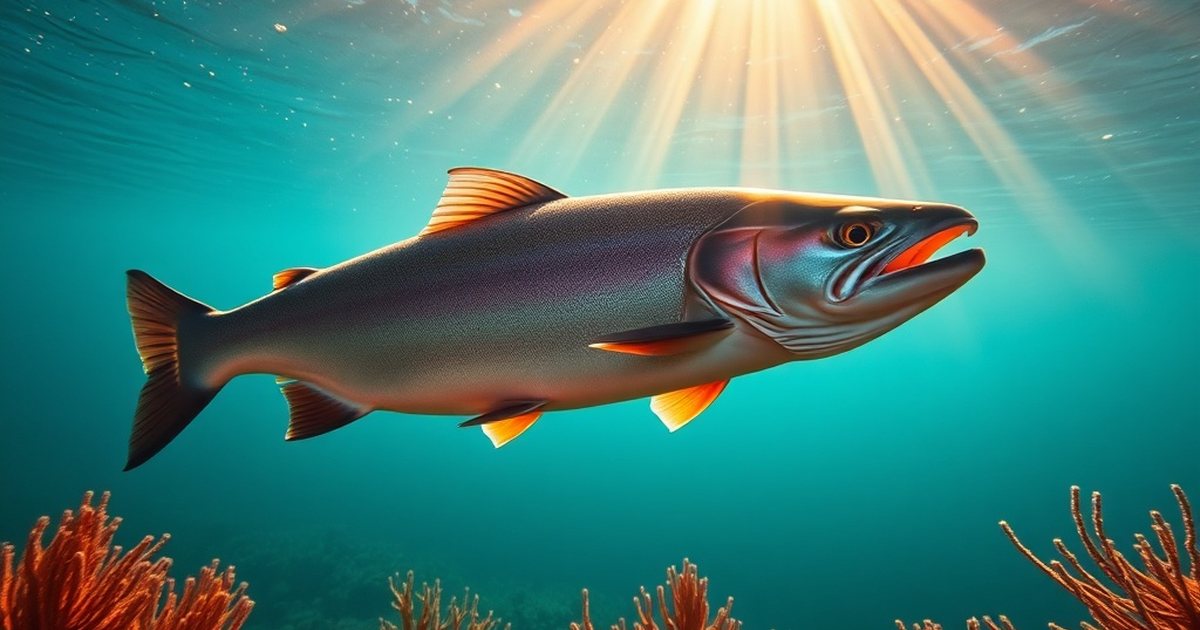
Animals do not synthesize astaxanthin themselves. Wild salmon, krill, sea bream, and flamingos accumulate it by eating astaxanthin-rich organisms in the food chain. The deep pink color of wild sockeye salmon flesh is a direct result of dietary astaxanthin. Farmed salmon, by contrast, often receive synthetic astaxanthin in feed to achieve a similar color.
For supplements, natural astaxanthin is typically extracted from cultivated Haematococcus pluvialis. This natural form holds Generally Recognized as Safe (GRAS) status and is distinct from synthetic astaxanthin, which is manufactured from petrochemical precursors and is currently approved only for use in animal feed in most jurisdictions.
The Molecular Structure That Sets It Apart
Most carotenoids are fat-soluble and operate primarily within the fatty interior of cell membranes. Astaxanthin is unusual because its molecular geometry allows it to span the entire thickness of a cell membrane, with its polar end-groups anchoring in both the water-facing outer and inner surfaces while its long hydrocarbon chain threads through the lipid core. This gives astaxanthin access to both the lipid phase and the aqueous environment on either side of the membrane simultaneously.
This structural feature is thought to make astaxanthin a particularly effective quencher of singlet oxygen — a highly reactive form of oxygen generated by UV light and metabolic processes — and a scavenger of free radicals. In laboratory comparisons, astaxanthin has shown substantially higher singlet oxygen quenching activity than beta-carotene or vitamin E, though these are in-vitro measurements and do not directly translate to equivalent effects in the human body.

Researchers have also investigated astaxanthin’s influence on cellular signaling pathways. Some evidence suggests it may support the activation of Sirt1, a protein involved in mitochondrial function and cellular stress responses, which is an area of active nutraceutical research [1]. These mechanistic findings are promising but should be understood as early-stage science rather than established clinical fact.
Eye Health: The Research Signal
The eye is an organ under continuous oxidative stress. Photoreceptors in the retina have among the highest metabolic rates in the body and are constantly exposed to light-driven free radical generation. The mitochondria in retinal cells are particularly vulnerable, and their dysfunction is implicated in conditions like dry age-related macular degeneration (AMD).
Astaxanthin is one of several nutraceuticals studied for its potential to support mitochondrial function in the aging retina. Because it crosses the blood-retinal barrier — unlike many other antioxidants — it can reach retinal tissue directly. Research into nutraceuticals that may promote mitophagy (the clearance of damaged mitochondria) and mitochondrial biogenesis has specifically highlighted astaxanthin as a candidate worth investigating in the context of dry AMD [2].
Separately, smaller randomized controlled trials in healthy adults have reported reductions in subjective eye fatigue and improvements in visual acuity under low-contrast conditions following astaxanthin supplementation, typically at doses of 6–12 mg per day over 4–8 weeks. These studies are generally underpowered and cannot be generalized broadly, but the consistency of the eye-fatigue signal across multiple trials is noteworthy.
Skin and UV Protection: What Small Trials Show
UV radiation accelerates skin aging by generating reactive oxygen species in the dermis and triggering inflammatory cascades that break down collagen. Several small placebo-controlled trials in human volunteers have examined whether oral astaxanthin supplementation can attenuate UV-induced skin changes.
Findings from these studies have included reduced moisture loss, improved skin elasticity, and lower levels of UV-induced oxidative markers in skin biopsies compared with placebo groups, at doses typically around 4–6 mg per day over eight to sixteen weeks. The effects are modest in absolute terms, and these studies are not large enough to make firm conclusions. Astaxanthin is not a substitute for sunscreen and should not be understood as providing meaningful UV protection on its own.
Exercise, Inflammation, and Muscle Recovery
Intense exercise generates oxidative stress and triggers a transient inflammatory response in muscle tissue. A number of trials have investigated whether antioxidant supplementation can reduce exercise-induced muscle damage, with mixed results — some evidence suggests that blunting oxidative stress too aggressively may interfere with beneficial exercise adaptations.

Astaxanthin-specific trials, typically in recreational athletes or untrained individuals, have reported reduced markers of muscle damage (such as creatine kinase) and lower levels of certain inflammatory mediators following supplemented exercise compared with placebo. Doses in these studies ranged from 4 to 12 mg per day over three to twelve weeks. The trials are small, and results have not been consistent across all studies or populations. High-performance athletes considering astaxanthin should be aware that the interaction between antioxidant supplementation and training adaptation is not fully resolved.
Safety Profile and Dosing Considerations
Natural astaxanthin from Haematococcus pluvialis has a reassuring short-term safety record in published human trials. Studies using doses up to 12 mg per day for twelve weeks have not identified serious adverse effects. The most commonly discussed side effect at high intakes — typically above 20 mg per day, which exceeds the range used in most clinical trials — is carotenodermia: a reversible yellowing or orange tinting of the skin caused by carotenoid accumulation. This is cosmetically noticeable but not a health hazard, and it resolves after supplementation is reduced or stopped.
Evidence in pregnant and breastfeeding individuals is insufficient to support a safety recommendation. Supplementation is not advised during pregnancy or lactation until more data exist. Individuals taking blood-thinning medications or with conditions affecting fat absorption should discuss astaxanthin with a healthcare provider before use, as it is a fat-soluble compound that requires dietary fat for absorption and may interact with certain medications.
🛒 Where to Buy Astaxanthin
- Nutrex Hawaii BioAstin Hawaiian AstaxanthinLab-tested / studied
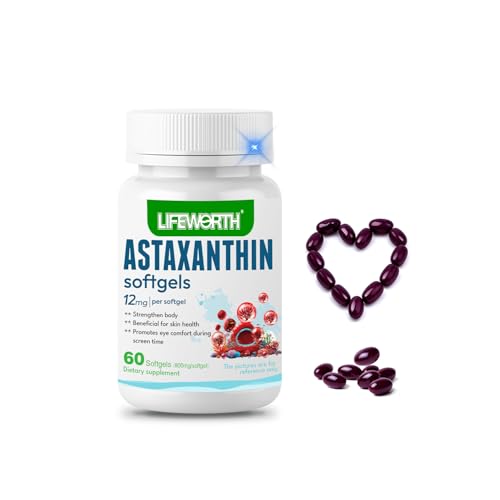
softgels, 12 mg per softgel, 90 count — Hawaiian-grown Haematococcus pluvialis, sold as the High Potency 90-softgel bottle - Pure Synergy SuperPure Astaxanthin Extract
capsules, 60 count — Sold as an astaxanthin extract in a capsule rather than a softgel; the listing does not state a mg per capsule, so check the label for the dose before comparing it with the 12 mg bottles here - Naturalis New Zealand Astaxanthin
softgels, 12 mg per softgel, 120 count — New Zealand-grown rather than Hawaiian, and the largest bottle on this list at 120 softgels - NOW Foods Astaxanthin
softgels, 4 mg per softgel — The entry-level 4 mg dose, built on the Zanthin astaxanthin ingredient; a lower starting point than the 12 mg bottles above
As an Amazon Associate we earn from qualifying purchases. Astaxanthin products vary mainly by dose and by source, with 4mg and 12mg the common strengths and most of them derived from Haematococcus pluvialis algae, so check the label for the astaxanthin content per serving and prefer products that publish third-party testing.
A Note on the Evidence
The human trial evidence for astaxanthin remains limited in scale and duration; most studies involve fewer than 100 participants and last eight to sixteen weeks, making it premature to draw firm conclusions about long-term effects or clinical efficacy. This article is informational only and is not a substitute for medical advice — consult a healthcare professional before supplementing, particularly if you are pregnant, breastfeeding, taking medications, or managing a health condition.
Frequently Asked Questions
What is astaxanthin made from?
Natural astaxanthin used in supplements is extracted from the microalgae Haematococcus pluvialis, which synthesizes the pigment as a stress-response mechanism. This natural form holds GRAS status and is distinct from synthetic astaxanthin, which is derived from petrochemical sources and is not approved for human supplementation in most countries.
How is astaxanthin different from other antioxidants like vitamin C or vitamin E?
Most antioxidants work in only one environment — either water-soluble (like vitamin C) or fat-soluble (like vitamin E). Astaxanthin’s molecular structure allows it to span the full width of cell membranes, positioning its active sites in both the lipid core and the aqueous layers on either side. This makes it capable of quenching singlet oxygen and free radicals in environments that other individual antioxidants cannot reach simultaneously.
What does the research say about astaxanthin and eye health?
Research has explored astaxanthin’s potential role in retinal health, particularly in the context of age-related macular degeneration, where mitochondrial dysfunction in photoreceptor cells is a key feature. Nutraceuticals capable of supporting mitochondrial biogenesis and mitophagy — including astaxanthin — have been identified as candidates for further study in dry AMD [2]. Separate smaller trials in healthy adults have reported improvements in eye fatigue and visual acuity, though these studies are too small to draw firm conclusions.
Does astaxanthin activate any cellular pathways?
Laboratory and early clinical evidence suggests astaxanthin may influence Sirt1, a protein that plays a role in mitochondrial function and cellular resilience under stress conditions [1]. Research into Sirt1 activation by nutraceuticals is an active area, but this remains early-stage mechanistic science and does not yet translate into specific clinical recommendations.
What is a typical dose of astaxanthin, and is it safe?
Most human trials have used doses between 4 and 12 mg per day. Natural astaxanthin has shown no serious adverse effects at doses up to 12 mg per day for twelve weeks in published research. The main side effect at doses above approximately 20 mg per day — which exceeds typical supplemental use — is a reversible orange-yellow skin tint (carotenodermia) that resolves when intake is reduced.
Can pregnant or breastfeeding people take astaxanthin?
Current evidence is insufficient to establish safety during pregnancy or breastfeeding. Supplementation is not recommended for these groups until adequate safety data exist. Anyone who is pregnant, breastfeeding, or managing a health condition should consult a qualified healthcare provider before starting any new supplement.
References
- DiNicolantonio JJ et al. Nutraceutical activation of Sirt1: a review. Open heart (2022). PMID 36522127
- Lewis Luján LM et al. Nutraceuticals/Drugs Promoting Mitophagy and Mitochondrial Biogenesis May Combat the Mitochondrial Dysfunction Driving Progression of Dry Age-Related Macular Degeneration. Nutrients (2022). PMID 35565950
These statements have not been evaluated by the Food and Drug Administration. This information is not intended to diagnose, treat, cure, or prevent any disease. Content is for informational purposes only and is not medical advice; consult a qualified healthcare provider before starting any supplement. As an Amazon Associate we earn from qualifying purchases.
