In 2026, the supplement landscape is more crowded and confusing than ever. For those of us meticulously optimizing our health, performance, and longevity, navigating the claims around powerful antioxidants like astaxanthin can feel like a full-time job. You’ve likely heard the buzz, perhaps from your favorite biohacking podcast or a deep get into cellular protection, but how do you discern the truly effective astaxanthin supplements from the marketing hype?
This guide cuts through the noise. We’re not just listing products; we’re equipping you with the scientific literacy to identify high-quality, bioavailable astaxanthin that delivers on its promise. Whether you’re aiming to sharpen your focus during long work sessions, accelerate post-workout recovery, or fortify your skin against environmental stressors, understanding the nuances of astaxanthin sourcing and formulation is paramount.
AstaxanthinHub is reader-supported. When you buy through links on our site, we may earn an affiliate commission. This helps us continue to provide high-quality, evidence-based content.
Why Astaxanthin? The Marine Carotenoid Advantage
Astaxanthin, a vibrant red carotenoid primarily sourced from the microalga Haematococcus pluvialis, stands apart in the antioxidant world. Unlike many antioxidants that become pro-oxidants under certain conditions, astaxanthin’s unique molecular structure allows it to span the entire cell membrane, offering comprehensive protection from both aqueous and lipid environments. This characteristic contributes to its exceptional free-radical scavenging capabilities without itself becoming a free radical.
Its powerful antioxidant activity is estimated to be significantly greater than vitamin C, vitamin E, and beta-carotene, making it a compelling target for those seeking robust cellular defense.[2] Emerging research suggests astaxanthin may modulate inflammatory pathways, support mitochondrial function, and enhance cellular resilience, all critical components of healthy aging and peak performance.
Understanding Astaxanthin Bioavailability: Not All Supplements Are Equal
The effectiveness of an astaxanthin supplement hinges significantly on its bioavailability, which refers to the proportion of the ingested astaxanthin that enters the systemic circulation and is available to exert its effects. Several factors influence this, including the form of astaxanthin, the presence of lipids, and the delivery system.
Esterified vs. Free Astaxanthin
Naturally occurring astaxanthin in Haematococcus pluvialis is predominantly found in an esterified form, meaning it’s bound to fatty acids. This esterified form is considered more stable and less prone to oxidation during storage and digestion. While some synthetic astaxanthin exists in a free form, the vast majority of research-backed supplements utilize natural, esterified astaxanthin from algal sources.
The Role of Lipids and Softgel Formulations
Astaxanthin is a fat-soluble compound, meaning it requires dietary fat for optimal absorption. Many high-quality supplements address this by formulating astaxanthin within an oil base, typically olive oil, sunflower oil, or MCT oil, and encapsulating it in a softgel. This thoughtful formulation can significantly enhance absorption compared to powdered forms taken without a fatty meal.[3] A 2011 study in the Journal of Agricultural and Food Chemistry demonstrated enhanced bioavailability when astaxanthin was consumed with a high-fat meal.

Astaxanthin Benefits: Evidence-Based Insights
The scientific literature on astaxanthin continues to expand, revealing a broad spectrum of potential benefits. We focus here on areas supported by human clinical trials, acknowledging that optimal effect sizes can vary and further research is ongoing.
Eye Health and Digital Strain
For remote workers, gamers, and anyone spending extensive hours in front of screens, astaxanthin shows promise in mitigating eye fatigue and improving visual acuity. A 2018 meta-analysis published in the Journal of Clinical Biochemistry and Nutrition found that astaxanthin supplementation was associated with improvements in accommodation amplitude and reduced subjective symptoms of eye strain. It is thought to achieve this by enhancing blood flow to the retina and reducing oxidative stress in ocular tissues.
Skin Health and Photoprotection
Astaxanthin’s potent antioxidant properties extend to skin health, offering a “internal sunscreen” effect. Human studies indicate that regular astaxanthin intake can improve skin elasticity, reduce fine wrinkles, and enhance skin moisture. Crucially, it has been shown to reduce UV-induced skin damage, including erythema (redness), by scavenging free radicals generated by sun exposure. A 2012 study in Experimental Dermatology demonstrated its ability to protect against UV-induced inflammation and oxidative stress.
Exercise Performance and Recovery
Endurance athletes and fitness enthusiasts often seek astaxanthin to gain an edge in recovery and performance. Research suggests it may reduce muscle damage and inflammation following intense exercise, potentially leading to faster recovery times. A 2011 study in the International Journal of Sports Medicine indicated astaxanthin could improve endurance performance and reduce lactic acid accumulation. While effect sizes are often modest, the cumulative benefits for consistent trainers are noteworthy.
Cardiovascular Health and Longevity
Beyond its antioxidant role, astaxanthin has garnered attention for its potential cardiovascular benefits. Studies suggest it may improve lipid profiles by increasing HDL cholesterol and reducing triglycerides, and it may also support healthy blood pressure. Its anti-inflammatory properties contribute to overall vascular health, an important factor in long-term cardiovascular well-being and longevity. A review in the journal Nutrients in 2018 highlighted its multifaceted effects on metabolic syndrome components.
Astaxanthin Dosage: Finding Your Optimal Intake
The optimal astaxanthin dosage can vary depending on individual goals and health status. Most human clinical trials demonstrating benefits have used dosages ranging from 4 mg to 12 mg per day. Some studies exploring specific conditions, such as intense athletic recovery or significant skin photoprotection, have utilized dosages up to 16 mg or even 20 mg daily, typically divided into two doses.
For general health and antioxidant support, 4-6 mg daily is a common starting point. For targeted benefits like eye strain, skin health, or exercise recovery, 8-12 mg daily appears to be a well-supported range. Always follow the manufacturer’s recommendations and consult with a healthcare professional, especially if you have underlying health conditions or are taking other medications.

Key Factors for Choosing the Best Astaxanthin Supplement (2026)
When evaluating astaxanthin supplements, several critical factors distinguish premium products from less effective ones. Prioritizing these criteria ensures you invest in a supplement that delivers genuine benefits.
Source and Purity: Natural vs. Synthetic
Always opt for natural astaxanthin derived from Haematococcus pluvialis. This is the form used in the vast majority of human clinical trials and is considered superior to synthetic astaxanthin for human consumption. Look for products that specify “natural astaxanthin” or “from Haematococcus pluvialis extract.” Purity is also paramount; third-party testing for contaminants like heavy metals and pesticides indicates a reputable manufacturer.
Formulation and Bioavailability
As discussed, fat-soluble astaxanthin benefits significantly from being formulated in an oil base, typically in a softgel. Check for the type of oil used (e.g., olive oil, high-oleic safflower oil, MCT oil) as this can impact stability and absorption. Avoid powdered capsules unless you are consistently taking them with a substantial fat-containing meal.
Dosage and Potency
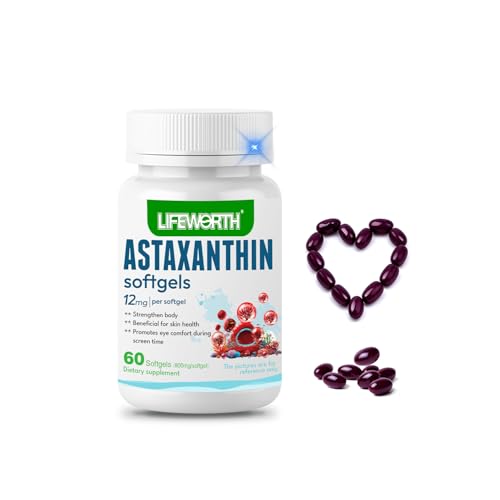
Ensure the supplement provides a clinically relevant dosage per serving, typically 4 mg or more. High-potency options (e.g., 12 mg per softgel) can be more convenient for those aiming for higher daily intakes, reducing the number of pills needed.
Brand Reputation and Transparency
Look for brands with a strong track record, transparent sourcing practices, and readily available Certificates of Analysis (CoAs) for their products. Reputable brands often have certifications like GMP (Good Manufacturing Practices) and may specify patented astaxanthin ingredients like AstaReal or Zanthin, which are backed by extensive research.
Our Top Astaxanthin Supplement Picks (2026)
Based on the criteria above, we’ve identified several astaxanthin supplements that consistently meet high standards for quality, bioavailability, and scientific backing. While we don’t rank them numerically, these represent excellent choices for various needs.
| Feature | High-Potency Softgel (e.g., 12mg) | Mid-Range Softgel (e.g., 6mg) | Omega-3 Blend (Astaxanthin + Krill/Algal Oil) |
|---|---|---|---|
| Primary Benefit | Maximized dosage for athletes, intensive skin/eye support | General wellness, daily antioxidant defense | Synergistic benefits for heart, brain, and joint health |
| Typical Dosage/Serving | 12 mg per softgel | 4-6 mg per softgel | 4-6 mg astaxanthin + 500-1000 mg Omega-3s |
| Ideal For | Longevity enthusiasts, biohackers, serious athletes | Skin-conscious adults, remote workers, general health | Individuals seeking comprehensive cellular and cardiovascular support |
| Considerations | Higher cost per serving, may be more than some need | Excellent value, widely available | Added cost for Omega-3s, ensures fat for absorption |
Where to Find Quality Astaxanthin Supplements
When searching for the best astaxanthin, we recommend focusing on reputable online retailers known for their strict quality control and extensive product information. Here are a few types of products to look for:
Search for: natural astaxanthin softgels 12mg
Search for: astaxanthin with olive oil
Search for: astaxanthin krill oil supplement
The Antioxidant Paradox and Astaxanthin’s Nuance
It’s important to briefly address the “antioxidant paradox” debate, which questions whether high doses of antioxidants can sometimes blunt beneficial adaptive responses to oxidative stress, particularly in athletes. While some research suggests this for certain antioxidants (e.g., very high doses of vitamin C or E during intense training), astaxanthin’s mechanism of action appears distinct. Its ability to quench free radicals without becoming pro-oxidant, coupled with its membrane-spanning property, suggests it may offer protection without interfering with necessary signaling pathways. Current evidence, particularly for moderate dosages of astaxanthin (4-12 mg), does not indicate a significant paradox for the benefits discussed.
These statements have not been evaluated by the FDA. This product is not intended to diagnose, treat, cure, or prevent any disease.
Frequently Asked Questions About Astaxanthin
What is astaxanthin?
Astaxanthin is a naturally occurring red carotenoid pigment found in certain algae (like Haematococcus pluvialis), yeast, salmon, trout, krill, shrimp, and crayfish. It is a powerful antioxidant known for its unique molecular structure that allows it to protect cells from oxidative damage across the entire cell membrane.
How long does it take for astaxanthin to work?
The time frame for experiencing astaxanthin’s benefits can vary. For skin health and eye strain, some individuals report noticeable improvements within 2-4 weeks. For more systemic benefits like exercise recovery or cardiovascular support, consistent daily intake over 4-8 weeks or longer is often recommended to see optimal effects.
Are there any side effects of astaxanthin?
Astaxanthin is generally considered safe and well-tolerated at recommended dosages. The most commonly reported, though rare, side effect is a slight reddish-orange tint to the skin, particularly with very high doses (20 mg+) over extended periods. Mild gastrointestinal upset has also been reported in isolated cases. Always consult your doctor if you have concerns.
Can I get enough astaxanthin from food?
While astaxanthin is present in salmon, trout, and shellfish, the amount obtained from a typical diet is generally much lower than the dosages used in human clinical trials for specific health benefits. For example, you would need to consume several servings of wild-caught salmon daily to approach a 4-6 mg dose. Supplements offer a more concentrated and consistent intake.
Is astaxanthin safe to take long-term?
Yes, numerous studies have demonstrated the long-term safety of astaxanthin supplementation at common dosages (4-12 mg daily) for periods of several months to over a year.[1] It has a favorable safety profile, and ongoing research continues to support its use as a dietary supplement.
Does astaxanthin interact with medications?
While astaxanthin is generally safe, it’s always prudent to consult with your healthcare provider if you are taking any medications, especially those for blood pressure, blood thinners, or cholesterol. Although significant interactions are rare, a professional can offer personalized advice based on your health profile.
References
- Astaxanthin: How much is too much? A safety review. Phytotherapy Research (2019). PMID 31788888
- Extensive Bioactivity of Astaxanthin from Haematococcus pluvialis in Human. Advances in Experimental Medicine and Biology (2021). PMID 33783748
- Astaxanthin: sources, extraction, stability, biological activities and its commercial applications – a review. Marine Drugs (2014). PMID 24402174
These statements have not been evaluated by the Food and Drug Administration. This information is not intended to diagnose, treat, cure, or prevent any disease. Content is for informational purposes only and is not medical advice; consult a qualified healthcare provider before starting any supplement. As an Amazon Associate we earn from qualifying purchases.
