Vitamin E and astaxanthin occupy the same biochemical neighborhood: both are fat-soluble compounds that embed themselves in cell membranes and intercept oxidative damage before it spreads. That shared territory makes comparing them meaningful rather than arbitrary. Most antioxidant comparisons pit chemically unrelated molecules against each other; here, two genuine lipid-phase agents are doing similar jobs through notably different mechanisms.
Vitamin E—primarily alpha-tocopherol in biological tissue—has been studied in humans for decades and sits firmly in mainstream nutritional science. Astaxanthin, a keto-carotenoid synthesized by the microalgae Haematococcus pluvialis, is a younger entrant with a narrower but growing base of controlled human trials. This article walks through what each compound does, where they converge, and where the evidence for each is genuinely strong versus still early—without hype in either direction.
Key Takeaways
- Both astaxanthin and vitamin E are lipid-phase antioxidants that act within cell membranes, but astaxanthin’s transmembrane architecture lets it address threats from both the lipid and aqueous phases simultaneously.
- Vitamin E is a hydrogen-atom donor that interrupts lipid peroxidation chain reactions; astaxanthin primarily quenches singlet oxygen through energy transfer and is not consumed in the process.
- Animal research and formulation studies suggest the two compounds can work cooperatively, with tocopherols also helping to stabilize astaxanthin chemically, though robust combined human RCT data is limited.
- Natural astaxanthin at up to 12 mg/day has a clean safety profile in trials; high-dose vitamin E supplementation carries more nuance and interacts with anticoagulants.
- Neither compound replaces the other—they address overlapping but distinct aspects of oxidative stress and are best understood as complementary rather than competing options.
How Vitamin E Works as an Antioxidant
Vitamin E is the collective name for eight fat-soluble compounds; alpha-tocopherol is the form preferentially absorbed and retained in human tissue. It acts primarily as a chain-breaking antioxidant: when a free radical attacks a membrane lipid and initiates a peroxidation chain reaction, alpha-tocopherol donates a hydrogen atom to interrupt the cascade. In doing so, it becomes a tocopheroxyl radical itself—a far less reactive species that can be regenerated when vitamin C donates an electron back to it.
Alpha-tocopherol localizes in the hydrophobic core of the phospholipid bilayer, which is precisely where lipid peroxidation chain reactions travel. This positioning makes it highly relevant to protecting polyunsaturated fatty acids in cell membranes, low-density lipoprotein particles, and mitochondrial membranes. Its limitation is that it works in one phase: the lipid interior. It does not reach the aqueous compartments of cells where water-soluble free radicals operate.
Decades of observational data suggested vitamin E supplementation might reduce cardiovascular and cancer risk, but large randomized controlled trials—particularly at high supplemental doses—have not consistently confirmed those hopes. At nutritional doses from food, vitamin E appears safe and broadly beneficial; at pharmacological doses above 400 IU per day, some meta-analyses have noted concern. The evidence picture is nuanced and dose-dependent.
How Astaxanthin Works Differently
Astaxanthin is a keto-carotenoid—structurally related to beta-carotene but with polar keto and hydroxyl groups at both ends of the molecule. This architecture gives it a property neither vitamin E nor most other carotenoids share: it spans the entire phospholipid bilayer, with its polar ends projecting into the aqueous environment on each side of the membrane while its middle remains anchored in the lipid core. This means astaxanthin can quench free radicals and singlet oxygen in both lipid and aqueous phases simultaneously.
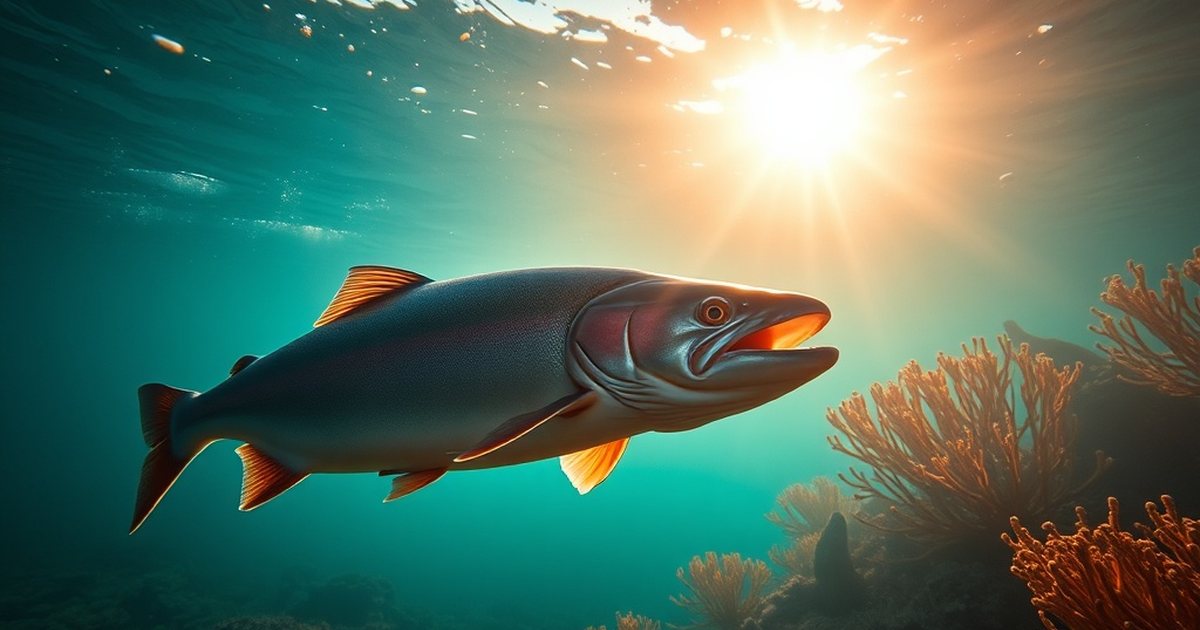
Astaxanthin is particularly efficient at quenching singlet oxygen—an electronically excited, highly reactive oxygen species that damages lipids, proteins, and DNA. Unlike many antioxidants, astaxanthin does not appear to become pro-oxidant at higher concentrations, a concern with certain other carotenoids and even iron-containing antioxidants in specific contexts. It also does not become a harmful radical intermediate during the quenching process.
Human randomized controlled trials have examined astaxanthin’s effects on eye fatigue, UV-induced skin aging, exercise-induced muscle damage, and inflammatory markers. Effect sizes have generally been modest and study populations small, so the evidence base—though promising—should not be overstated. Natural astaxanthin from H. pluvialis holds GRAS (Generally Recognized as Safe) status in the United States and has not produced serious adverse effects in trials using up to 12 mg per day for 12 weeks.

Key Mechanistic Differences Between the Two
The most practically important difference is membrane positioning. Vitamin E sits inside the hydrophobic core and addresses lipid-phase threats. Astaxanthin’s transmembrane orientation means it addresses threats arriving from either the extracellular or intracellular aqueous side, as well as within the membrane itself. In that sense, astaxanthin’s geometric reach is broader.
Their quenching chemistry also differs. Vitamin E is a hydrogen-atom donor: it terminates radical chains by sacrificing itself and relying on vitamin C for regeneration. Astaxanthin primarily quenches singlet oxygen through energy transfer (converting the excited singlet oxygen to harmless ground-state oxygen and releasing the energy as heat), a physical rather than chemical mechanism. This means astaxanthin is not consumed in the process the way a hydrogen-donor antioxidant is, though it can also engage in direct radical scavenging.
A third distinction is cellular penetration. Astaxanthin’s clinical trials have documented it crossing the blood-brain barrier and blood-retinal barrier in animal models, which is why eye-health studies have been a focus area. Alpha-tocopherol also crosses these barriers but is present in neural tissue primarily as a structural membrane component rather than an active quencher in the same sense.
What the Evidence Says About Using Both Together
Because the two compounds operate through different mechanisms and can occupy overlapping membrane territory, researchers have asked whether combining them offers advantages over either alone. A 2008 study in diabetic ODS rats examined astaxanthin alongside alpha-tocopherol or ascorbic acid and found that the combination influenced oxidative damage markers [1]. It is important to note this was an animal study in a diabetes model; results in rats do not automatically translate to humans, and ODS rats lack the ability to synthesize vitamin C, making them a specific model for vitamin C-related oxidative stress research.
Complementarity between the two compounds has also been observed in formulation science. Research on astaxanthin nanodispersions found that including additional antioxidants—including tocopherols—helped protect astaxanthin from degradation [2]. While this is a formulation stability finding rather than a clinical outcome, it points to a real chemical interaction: tocopherols can help stabilize astaxanthin against oxidative breakdown, which is relevant both for supplement shelf life and, theoretically, for in vivo stability in tissue.
At this stage, robust human RCT data specifically testing astaxanthin-plus-vitamin-E combinations against either alone is limited. The animal and formulation evidence provides a mechanistic rationale for combination use, but it does not yet constitute clinical proof of superior outcomes in healthy humans.
Safety Profiles and Practical Dosing
Natural astaxanthin from H. pluvialis at doses up to 12 mg per day for 12 weeks has not produced serious adverse effects in published trials. The only consistently noted side effect at very high doses—typically above 20 mg per day—is carotenodermia, a reversible orange-yellow skin tint caused by carotenoid accumulation in subcutaneous tissue. This is cosmetically noticeable but not physiologically harmful and reverses when supplementation stops. Evidence in pregnancy is insufficient, so astaxanthin supplementation is not recommended during pregnancy or breastfeeding.

Vitamin E from food sources is safe across typical dietary intakes. Supplemental vitamin E, particularly as alpha-tocopherol in isolation, warrants more caution at high doses. The tolerable upper intake level established by health authorities is 1,000 mg (approximately 1,500 IU) per day for adults, but doses above 400 IU have been associated in some meta-analyses with increased all-cause mortality when used long term. Vitamin E supplements can also interact with blood-thinning medications. Anyone on anticoagulants should consult a healthcare provider before adding either supplement.
For context on typical supplemental doses: most astaxanthin studies use 4–12 mg per day; most vitamin E studies in the supplementation literature use 200–800 IU per day of alpha-tocopherol. Mixed tocopherol formulations more closely mimic the full vitamin E family found in food and are generally considered preferable to isolated alpha-tocopherol for long-term use.
Choosing Between Them—or Considering Both
Vitamin E has a longer track record and is well-established as important for baseline membrane health and neurological function. Most people in high-income countries obtain at least some dietary vitamin E from nuts, seeds, and vegetable oils, though intakes are often below recommended levels. Supplementing with a modest mixed-tocopherol product is a low-risk way to shore up status.
Astaxanthin occupies a more specialized niche. Its dual-phase antioxidant action, carotenoid origin, and ability to cross ocular and neural barriers make it particularly interesting for applications like eye fatigue, skin photoprotection, and exercise recovery—areas where human trial evidence has been explored. It is not a replacement for vitamin E; the two compounds have distinct mechanisms and neither fully substitutes for the other.
Given the animal and formulation evidence suggesting the compounds can work cooperatively [1] [2], there is a reasonable mechanistic argument for using both when addressing oxidative stress from multiple angles. However, this should be approached with realistic expectations: neither is a cure, neither replaces a diet rich in vegetables and whole foods, and the combination human trial data remains sparse.
🛒 Where to Buy Astaxanthin
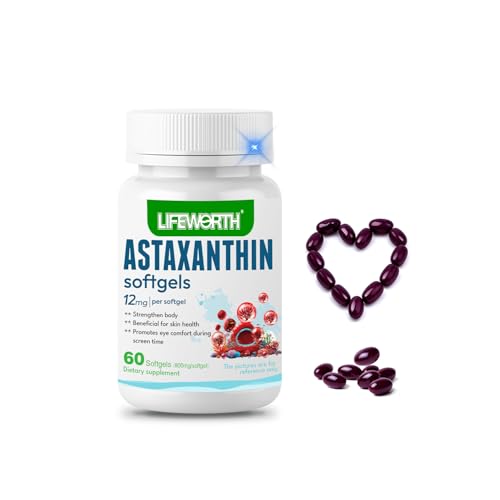
- Nutrex Hawaii BioAstin Hawaiian AstaxanthinLab-tested / studied
softgels, 12 mg per softgel, 90 count — Hawaiian-grown Haematococcus pluvialis, sold as the High Potency 90-softgel bottle - Pure Synergy SuperPure Astaxanthin Extract
capsules, 60 count — Sold as an astaxanthin extract in a capsule rather than a softgel; the listing does not state a mg per capsule, so check the label for the dose before comparing it with the 12 mg bottles here - Naturalis New Zealand Astaxanthin
softgels, 12 mg per softgel, 120 count — New Zealand-grown rather than Hawaiian, and the largest bottle on this list at 120 softgels - NOW Foods Astaxanthin
softgels, 4 mg per softgel — The entry-level 4 mg dose, built on the Zanthin astaxanthin ingredient; a lower starting point than the 12 mg bottles above
As an Amazon Associate we earn from qualifying purchases. Astaxanthin products vary mainly by dose and by source, with 4mg and 12mg the common strengths and most of them derived from Haematococcus pluvialis algae, so check the label for the astaxanthin content per serving and prefer products that publish third-party testing.
A Note on the Evidence
The human clinical evidence for astaxanthin remains limited in scale—most trials are small and short-term—and neither astaxanthin nor vitamin E should be understood as treatments for any medical condition. Pregnant or breastfeeding individuals should avoid astaxanthin supplementation; anyone managing a chronic condition or taking prescription medications should discuss both supplements with a qualified healthcare provider before use.
Frequently Asked Questions
Is astaxanthin stronger than vitamin E as an antioxidant?
In vitro singlet oxygen quenching assays, astaxanthin outperforms alpha-tocopherol, but in vitro potency rankings do not translate directly to clinical outcomes. The two compounds work through different mechanisms, making a single strength ranking misleading. Research in diabetic rat models found astaxanthin combined with alpha-tocopherol influenced oxidative damage markers [1], suggesting the relationship is complementary rather than competitive.
Can you take astaxanthin and vitamin E together?
There is no known harmful interaction between the two. Tocopherols have been shown to help protect astaxanthin from oxidative degradation in formulations [2], which provides a mechanistic basis for their compatibility. An animal study also explored their combined use against oxidative damage [1]. If you are on blood-thinning medication, check with a doctor before adding supplemental vitamin E, as it can affect clotting.
What is carotenodermia and is it dangerous?
Carotenodermia is a reversible yellow-orange discoloration of the skin caused by carotenoid accumulation in subcutaneous fat. It is the only consistently reported side effect at very high astaxanthin doses (above approximately 20 mg per day). It is not dangerous and reverses when supplementation is reduced or stopped. It can be mistaken for jaundice, but unlike jaundice it does not affect the whites of the eyes.
Does astaxanthin work in the brain or eyes specifically?
Animal studies have shown astaxanthin can cross the blood-brain barrier and blood-retinal barrier. Human trials have specifically examined astaxanthin for visual fatigue and screen-related eye strain, with some positive findings in small studies, though the evidence base is still developing and study sizes have been modest. Readers who want the detail of those individual trials should consult a current systematic review of astaxanthin and ocular health.
Is synthetic astaxanthin the same as natural astaxanthin?
No. Synthetic astaxanthin is produced petrochemically and consists mostly of the all-trans, non-esterified form used primarily in aquaculture feed. Natural astaxanthin from Haematococcus pluvialis is predominantly in esterified form and contains a different stereoisomer ratio. GRAS status and most human trial data apply specifically to natural astaxanthin from H. pluvialis; synthetic forms are not approved for human supplement use in most jurisdictions.
Who should avoid astaxanthin supplementation?
People who are pregnant or breastfeeding should avoid astaxanthin supplements because evidence in those populations is insufficient to establish safety. Those with shellfish allergies are sometimes cautioned, though H. pluvialis-derived astaxanthin is algae-based rather than shellfish-derived. Anyone taking prescription medications, particularly anticoagulants (which interact more with vitamin E) or immunosuppressants, should consult a healthcare provider before starting either supplement.
References
- Nakano M et al. Effect of astaxanthin in combination with alpha-tocopherol or ascorbic acid against oxidative damage in diabetic ODS rats. Journal of nutritional science and vitaminology (2008). PMID 18797156
- Anarjan N et al. Protection of astaxanthin in astaxanthin nanodispersions using additional antioxidants. Molecules (Basel, Switzerland) (2013). PMID 23884122
These statements have not been evaluated by the Food and Drug Administration. This information is not intended to diagnose, treat, cure, or prevent any disease. Content is for informational purposes only and is not medical advice; consult a qualified healthcare provider before starting any supplement. As an Amazon Associate we earn from qualifying purchases.
