Chronic inflammation underlies a wide range of conditions, from metabolic disorders to cardiovascular disease, and researchers have long searched for safe compounds that can modulate it without the side effects of pharmaceutical anti-inflammatories. Astaxanthin, a red-orange keto-carotenoid produced primarily by the microalgae Haematococcus pluvialis, has attracted serious scientific attention for its ability to interfere with several key inflammatory pathways simultaneously. Unlike many plant antioxidants that remain confined to the watery compartment of cells, astaxanthin integrates into cell membranes across both lipid and aqueous phases, positioning it to intercept free radicals and inflammatory signals at the point where they do the most damage.
This article examines the proposed mechanisms behind astaxanthin’s anti-inflammatory activity, with a particular focus on NF-κB inhibition, downstream cytokine suppression, and measurable reductions in C-reactive protein (CRP) seen in human trials. The evidence ranges from well-characterized laboratory and animal models to a growing body of human randomized controlled trials. Where findings come from early-stage research, that context is noted plainly.
Key Takeaways
- Astaxanthin suppresses NF-κB, a master switch for pro-inflammatory gene expression, across multiple organ-system models — this is its most consistently demonstrated anti-inflammatory mechanism [1] [2].
- By blocking NF-κB, astaxanthin reduces downstream cytokines including TNF-α, IL-6, and IL-1β in animal and cell models; human RCTs show measurable changes in inflammatory biomarkers in specific disease populations [3] [4].
- Astaxanthin’s membrane-spanning antioxidant activity creates a feedback benefit: quenching reactive oxygen species reduces the chemical signal that activates NF-κB in the first place.
- Most anti-inflammatory mechanistic data come from animal studies; the human RCT base is growing but still limited in scale and population diversity.
- Natural astaxanthin at 4–12 mg/day for up to 12 weeks appears safe in adults; supplementation is not recommended during pregnancy or breastfeeding due to insufficient evidence.
The Inflammatory Cascade: A Brief Framework
Inflammation is a coordinated biological response to injury, infection, or metabolic stress. At the molecular level it begins when pattern-recognition receptors, including Toll-like receptors (TLRs), detect damage signals and activate upstream kinases. These kinases phosphorylate inhibitory proteins and release a transcription factor called nuclear factor kappa B (NF-κB), which then travels to the nucleus and switches on genes encoding pro-inflammatory cytokines such as tumor necrosis factor alpha (TNF-α), interleukin-6 (IL-6), and interleukin-1 beta (IL-1β). Those cytokines then prompt the liver to release acute-phase proteins, the most clinically measured of which is C-reactive protein (CRP).
Oxidative stress and inflammation amplify each other: reactive oxygen species activate NF-κB, and NF-κB drives the production of enzymes that generate more reactive oxygen species. A compound that quenches free radicals while simultaneously blocking NF-κB activation can therefore interrupt the cycle at two points. This dual action is one reason astaxanthin has generated interest as an anti-inflammatory agent [5].
NF-κB Inhibition: Astaxanthin's Core Anti-Inflammatory Mechanism
The most consistently reported mechanism in astaxanthin research is the suppression of NF-κB signaling. In a rodent model of aflatoxin B1-induced liver injury, astaxanthin administration significantly reduced hepatic NF-κB activation while simultaneously activating the cytoprotective Nrf2 pathway, lowering pro-inflammatory cytokine levels and attenuating tissue damage [1]. The pairing of NF-κB suppression with Nrf2 activation appears across multiple study contexts, suggesting a coordinated shift away from inflammation and toward cellular defense.
Animal models of other acute injury scenarios reinforce this picture. In a rat model of spinal cord injury, astaxanthin suppressed the HMGB1/TLR4/NF-κB signaling cascade, reducing spinal cord edema and limiting the secondary inflammatory response that drives much of the long-term neurological damage after initial trauma [2]. Similarly, in a rodent model of cardiac injury induced by isoprenaline, astaxanthin reduced myocardial inflammatory markers through the TLR4/NF-κB pathway, pointing to a mechanism that extends across multiple organ systems [6]. A study in heat-stressed cattle also found that astaxanthin supplementation prevented the inflammatory NF-κB activation and apoptosis triggered by high temperatures, with lower circulating concentrations of IL-6 and TNF-α compared to unsupplemented animals [7].

In cancer research, astaxanthin has shown the ability to inhibit NF-κB alongside the Wnt/β-catenin pathway by inactivating both Erk/MAPK and PI3K/Akt signaling in an oral cancer hamster model, inducing intrinsic apoptosis in tumor tissue [8]. That finding is primarily relevant to understanding the molecule’s signaling reach rather than a claim about anti-cancer supplementation, but it underscores how broadly NF-κB suppression ramifies through cell biology.
Downstream Effects: Cytokine Reduction
Because NF-κB is the master transcription factor for most major pro-inflammatory cytokines, blocking it upstream predictably lowers TNF-α, IL-6, IL-1β, and related mediators in most experimental models where astaxanthin has been tested. A 2025 systematic review catalogued these effects across human and preclinical literature and concluded that astaxanthin consistently reduces pro-inflammatory cytokine concentrations while increasing anti-inflammatory markers in settings ranging from metabolic disease to respiratory injury [5].
In a mouse model of lung injury caused by ochratoxin A, astaxanthin protected pulmonary tissue by engaging the Nrf2/NF-κB pathway, reducing cytokine-driven inflammation and oxidative tissue damage [9]. In the context of ANCA-associated vasculitis, an autoimmune condition characterized by dysregulated inflammatory signaling, astaxanthin exerted a protective effect associated with modulation of inflammatory pathways in an experimental model [10]. Importantly, 2025 marine pharmacology reviews have situated these cytokine-level effects within a broader picture of astaxanthin’s capacity to modulate macrophage polarization — the shift from pro-inflammatory M1 macrophages toward anti-inflammatory M2 macrophages is one proposed cellular mechanism linking NF-κB suppression to lower circulating cytokines [11].
Human RCT Evidence: CRP and Measurable Inflammatory Biomarkers
Animal and cell-based findings are mechanistically informative but do not automatically translate to meaningful effects in people. The more clinically relevant question is whether astaxanthin supplementation moves inflammatory biomarkers in controlled human trials. Two recent randomized controlled trials provide direct evidence.
A 2024 RCT enrolled women with polycystic ovary syndrome (PCOS), a condition associated with chronic low-grade inflammation. Participants receiving astaxanthin supplementation showed significant reductions in serum inflammatory markers and altered expression of endoplasmic-reticulum stress and apoptosis genes in peripheral blood mononuclear cells compared to placebo [3]. PCOS represents a chronic inflammatory context quite different from acute injury, making this result particularly relevant to everyday supplementation discussions.
A 2025 randomized controlled trial examined astaxanthin as adjunctive therapy in patients hospitalized with community-acquired pneumonia, an acute and serious inflammatory condition. The astaxanthin group showed measurable differences in inflammatory and antioxidant markers compared to the control group receiving standard treatment alone, consistent with the NF-κB suppression mechanism proposed in preclinical models [4]. An earlier narrative also highlighted the potential relevance of astaxanthin’s anti-inflammatory and antioxidant properties in the context of respiratory infection and immune modulation [12]. Together, these human-level data support the mechanistic picture built from animal studies, though the number of published RCTs remains small and most involve specific disease populations rather than healthy adults.

Antioxidant and Anti-Inflammatory Crosstalk
It is worth clarifying why an antioxidant and an anti-inflammatory effect are so closely linked in astaxanthin research. Reactive oxygen species are not merely byproducts of inflammation; they are active signals that promote NF-κB nuclear translocation. An antioxidant that neutralizes superoxide or quenches singlet oxygen inside the lipid bilayer therefore reduces the chemical input that keeps NF-κB cycling. Astaxanthin’s unusual membrane-spanning orientation — unlike beta-carotene, which sits within the lipid core — allows it to act as a structural antioxidant precisely where membrane-associated signaling receptors operate [5].

This positioning also distinguishes astaxanthin from water-soluble antioxidants like vitamin C, which cannot reach lipid-phase radicals. The Nrf2 activation observed in several study models adds another layer: Nrf2 drives expression of endogenous antioxidant enzymes such as superoxide dismutase and heme oxygenase-1, creating an amplified and self-sustaining antioxidant response that further suppresses the reactive-oxygen-species input to NF-κB signaling [1]. The net result is a compound that addresses inflammation from both ends of this feedback loop.
Safety, Doses, and Honest Limitations
Natural astaxanthin from Haematococcus pluvialis holds GRAS (generally recognized as safe) status. Human trials have used doses primarily in the 4–12 mg/day range for periods up to 12 weeks without serious adverse effects. The only consistently reported side effect at very high doses above 20 mg/day is a reversible yellow-orange tint to the skin (carotenodermia), which resolves when supplementation stops. Evidence in pregnant or breastfeeding individuals is insufficient, so supplementation is not recommended during those periods.
Limitations of the current evidence base are real. Most anti-inflammatory mechanisms have been characterized in animal or cell culture models where doses and bioavailability differ substantially from what a supplement capsule achieves in human tissue. The human RCTs published to date are relatively small, often conducted in specific disease populations, and vary in the dose, formulation, and duration used. Whether the same NF-κB suppression and cytokine reductions observed in acute disease models translate meaningfully to healthy people with low-grade chronic inflammation remains an open research question. The 2026 systematic review [5] reaches cautiously positive conclusions but calls for larger, longer trials before firm clinical recommendations can be made.
🛒 Where to Buy Astaxanthin
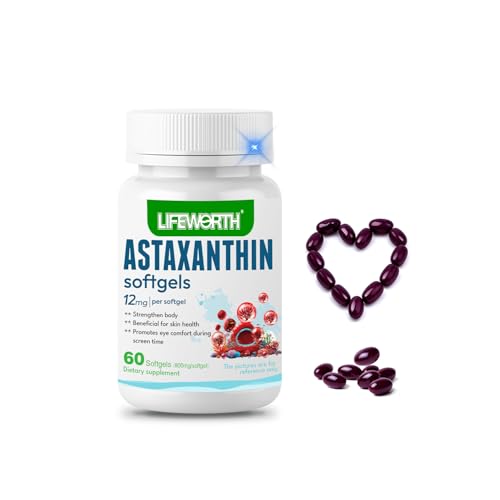
- Nutrex Hawaii BioAstin Hawaiian AstaxanthinLab-tested / studied
softgels, 12 mg per softgel, 90 count — Hawaiian-grown Haematococcus pluvialis, sold as the High Potency 90-softgel bottle - Pure Synergy SuperPure Astaxanthin Extract
capsules, 60 count — Sold as an astaxanthin extract in a capsule rather than a softgel; the listing does not state a mg per capsule, so check the label for the dose before comparing it with the 12 mg bottles here - Naturalis New Zealand Astaxanthin
softgels, 12 mg per softgel, 120 count — New Zealand-grown rather than Hawaiian, and the largest bottle on this list at 120 softgels - NOW Foods Astaxanthin
softgels, 4 mg per softgel — The entry-level 4 mg dose, built on the Zanthin astaxanthin ingredient; a lower starting point than the 12 mg bottles above
As an Amazon Associate we earn from qualifying purchases. Astaxanthin products vary mainly by dose and by source, with 4mg and 12mg the common strengths and most of them derived from Haematococcus pluvialis algae, so check the label for the astaxanthin content per serving and prefer products that publish third-party testing.
A Note on the Evidence
The anti-inflammatory mechanisms described here are well-characterized in animal and cell models, but most human RCTs are small, short, and conducted in specific disease populations — extrapolating these findings to healthy adults or to specific conditions not yet studied requires caution. If you have a diagnosed inflammatory condition, are taking immunosuppressants or blood-thinning medications, or are pregnant or breastfeeding, consult a qualified healthcare provider before using astaxanthin supplements.

Frequently Asked Questions
How does astaxanthin reduce inflammation differently from ibuprofen or aspirin?
Ibuprofen and aspirin block cyclooxygenase (COX) enzymes that produce prostaglandins, a specific downstream branch of the inflammatory response. Astaxanthin works further upstream by suppressing NF-κB, the transcription factor that controls the expression of dozens of inflammatory genes simultaneously, while also acting as a membrane antioxidant that reduces the reactive oxygen species input that keeps NF-κB active [5]. It is not a replacement for pharmaceutical anti-inflammatories and should not be used as one.
What does the human evidence actually show for CRP and cytokines?
Two published randomized controlled trials provide direct human data. A 2024 RCT in women with PCOS found significant reductions in serum inflammatory markers following astaxanthin supplementation compared to placebo [3]. A 2025 RCT in patients with community-acquired pneumonia found measurable improvements in inflammatory and antioxidant markers when astaxanthin was added to standard treatment [4]. Both studies involved specific patient populations, so results may not generalize to healthy individuals.
Is the NF-κB inhibition effect proven in humans?
Direct measurement of NF-κB activity in human tissue from supplementation trials has not been widely published in the evidence available here. The NF-κB suppression evidence comes primarily from animal models and cell cultures [7] [2] [6], with human trials measuring downstream biomarkers like cytokines and CRP rather than NF-κB itself. Assuming the mechanism fully translates from animal models to humans requires caution.
What dose of astaxanthin was used in the anti-inflammatory trials?
Doses across the cited studies vary. Human RCTs have typically used doses in the range of 4–12 mg/day. The 2025 community-acquired pneumonia trial [4] and the 2024 PCOS trial [3] both used supplemental astaxanthin, though specific doses should be confirmed in the original papers. Animal studies used weight-adjusted doses that do not directly translate to human supplement recommendations.
Can astaxanthin help with inflammatory conditions like autoimmune disease?
Early-stage research suggests potential. One study found a protective effect of astaxanthin in an experimental model of ANCA-associated vasculitis, an autoimmune condition involving inflammatory vessel damage [10]. However, experimental models do not constitute clinical proof, and there are no large human trials in autoimmune populations to draw on. Anyone with an autoimmune condition should consult their physician before adding any supplement to their regimen.
Does astaxanthin affect the Nrf2 pathway as well as NF-κB?
Yes — multiple studies show that astaxanthin activates Nrf2 (which drives production of protective antioxidant enzymes) at the same time as it suppresses NF-κB. These two pathways are functionally linked: Nrf2 activation reduces oxidative stress, which in turn lowers the reactive-oxygen-species signal that sustains NF-κB activation. In a liver-injury model, both actions were observed simultaneously following astaxanthin treatment [1], and the 2026 systematic review identifies this dual action as a central feature of astaxanthin’s anti-inflammatory profile [5].
References
- Kang K et al. Astaxanthin attenuates AFB1-induced hepatotoxicity by activating Nrf2 and inhibiting the NF-κB signaling pathway. Ecotoxicology and environmental safety (2025). PMID 40925183
- Abbaszadeh F et al. Astaxanthin ameliorates spinal cord edema and astrocyte activation via suppression of HMGB1/TLR4/NF-κB signaling pathway in a rat model of spinal cord injury. Naunyn-Schmiedeberg's archives of pharmacology (2023). PMID 37145127
- Jabarpour M et al. Randomized clinical trial of astaxanthin supplement on serum inflammatory markers and ER stress-apoptosis gene expression in PBMCs of women with PCOS. Journal of cellular and molecular medicine (2024). PMID 39036884
- Youssef FM et al. The anti-inflammatory and antioxidant effects of astaxanthin as an adjunctive therapy in community-acquired pneumonia: a randomized controlled trial. Frontiers in pharmacology (2025). PMID 40852606
- Malcangi G et al. The Role of Astaxanthin as an Antioxidant and Anti-Inflammatory Agent in Human Health: A Systematic Review. International journal of molecular sciences (2026). PMID 41596351
- Zaafan MA et al. The cardioprotective effect of astaxanthin against isoprenaline-induced myocardial injury in rats: involvement of TLR4/NF-κB signaling pathway. European review for medical and pharmacological sciences (2021). PMID 34156689
- Kumar S et al. Inhibition of NF-κB signaling pathway by astaxanthin supplementation for prevention of heat stress-induced inflammatory changes and apoptosis in Karan Fries heifers. Tropical animal health and production (2019). PMID 30612290
- Kavitha K et al. Astaxanthin inhibits NF-κB and Wnt/β-catenin signaling pathways via inactivation of Erk/MAPK and PI3K/Akt to induce intrinsic apoptosis in a hamster model of oral cancer. Biochimica et biophysica acta (2013). PMID 23726989
- Xu W et al. Astaxanthin Protects OTA-Induced Lung Injury in Mice through the Nrf2/NF-κB Pathway. Toxins (2019). PMID 31533259
- Sun RL et al. Protective effect of astaxanthin on ANCA-associated vasculitis. International immunopharmacology (2024). PMID 38537540
- Rambaldi A et al. Marine-Derived Astaxanthin: Molecular Mechanisms, Biomedical Applications, and Roles in Stem Cell Biology. Marine drugs (2025). PMID 40559644
- Ahmadi AR et al. Astaxanthin protective barrier and its ability to improve the health in patients with COVID-19. Iranian journal of microbiology (2021). PMID 34557270
These statements have not been evaluated by the Food and Drug Administration. This information is not intended to diagnose, treat, cure, or prevent any disease. Content is for informational purposes only and is not medical advice; consult a qualified healthcare provider before starting any supplement. As an Amazon Associate we earn from qualifying purchases.
