Astaxanthin is frequently marketed as a “liver-protective antioxidant,” and the underlying science has a real story behind that claim — just not the one most product pages tell. Animal research on astaxanthin and fatty liver disease is genuinely encouraging. Human research is not. As of the most recent meta-analyses of randomized controlled trials, astaxanthin supplementation has not been shown to improve liver enzyme levels in people, and one meta-analysis specifically found a small but statistically significant increase in ALT compared to placebo.
This article separates what astaxanthin does in animal models of liver disease from what it has actually been shown to do in human clinical trials, and explains why those two evidence bases point in different directions.
Key Takeaways
- A 2024 meta-analysis of five randomized controlled trials (196 subjects, doses of 6–12 mg/day for 4–48 weeks) found astaxanthin supplementation significantly increased ALT levels compared to placebo (WMD: +1.92 U/L, P = 0.03), with no significant effect on AST, GGT, or ALP [1].
- A 2025 broader meta-analysis of carotenoid supplementation (15 studies, 20 arms, 757 subjects) found no significant overall effect on any liver enzyme, though subgroup analyses suggested possible ALT/AST/GGT reductions in non-healthy participants and those with BMI ≥ 25 [2].
- Animal research tells a more favorable story: a 2021 systematic review and meta-analysis of 21 animal studies found astaxanthin reduced markers associated with obesity-related liver disease and improved metabolic markers in rodent models of type 2 diabetes [3].
- As far back as 2016, reviewers were already flagging that human data on astaxanthin and liver function was “insufficient” — and the RCT evidence that has since accumulated does not support a liver-protective effect [4].
What “Liver-Protective” Actually Means Here
Liver health is typically assessed with a blood panel measuring four enzymes: ALT (alanine aminotransferase), AST (aspartate aminotransferase), GGT (gamma-glutamyl transferase), and ALP (alkaline phosphatase). Elevated levels, especially ALT, are a standard marker of liver cell stress or damage, including the kind seen in non-alcoholic fatty liver disease (NAFLD). When a supplement is described as supporting liver health, the implicit claim is usually that it lowers these enzymes, or protects against them rising, in people who take it.
That claim needs to be tested directly in humans, because oxidative-stress biology that looks protective in a petri dish or a rodent liver does not automatically translate into a measurable clinical effect once a supplement is absorbed, metabolized, and used at a normal consumer dose in a person.

What the Human Trial Data Actually Shows
The most directly relevant evidence is a 2024 meta-analysis that pooled five randomized controlled trials testing astaxanthin specifically (not other carotenoids) against a placebo, covering 196 subjects at doses between 6 and 12 mg per day for 4 to 48 weeks [1]. The result ran counter to the liver-protection narrative: astaxanthin supplementation was associated with a small but statistically significant increase in ALT (weighted mean difference of +1.92 U/L, P = 0.03) relative to placebo. AST, GGT, and ALP were not significantly affected in either direction.
A separate 2025 meta-analysis took a broader view, pooling 15 trials (20 study arms, 757 subjects total) of carotenoid supplementation generally — astaxanthin among them, alongside other carotenoids like lycopene and beta-carotene [2]. Across the full pooled dataset, there was no statistically significant effect on any of the four liver enzymes. However, subgroup analysis found significant ALT reductions in trials under 12 weeks, in participants with BMI ≥ 25, and in non-healthy participants specifically, along with significant AST and GGT reductions in non-healthy participants. The authors were explicit that “more trials with standard methods are required” before drawing firm conclusions.
These two meta-analyses aren’t strictly contradictory — they’re answering different, overlapping questions with different, overlapping study sets. The narrower, astaxanthin-specific analysis found a small unfavorable signal on ALT. The broader, carotenoid-wide analysis found no overall effect, with mixed subgroup signals. Neither one supports the common marketing claim that astaxanthin measurably lowers liver enzymes or protects liver function in typical human use.
Why the Animal Data Looks So Different
The gap between animal and human findings isn’t unique to astaxanthin, but it’s worth understanding here specifically. A 2021 systematic review and meta-analysis pooled 21 animal studies testing astaxanthin in rodent models of obesity-associated disease, including diet-induced NAFLD and type 2 diabetes [3]. In these controlled animal models, astaxanthin reduced adipose tissue weight, lowered systolic blood pressure, and improved several metabolic markers associated with fatty liver progression.
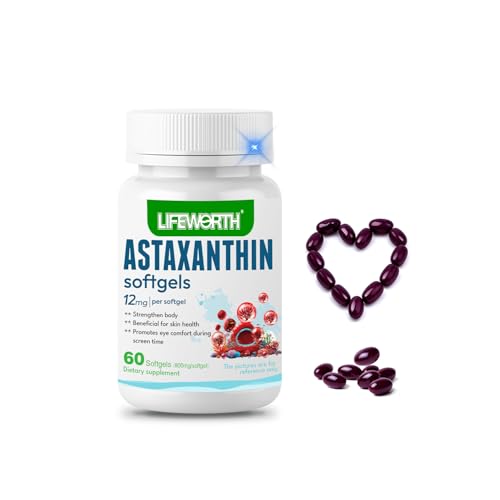
Animal models let researchers use standardized diets, controlled genetics, and often higher relative doses than a person would realistically take as a supplement — conditions that make it easier to detect an effect, but that don’t necessarily reproduce a typical human’s diet, liver enzyme baseline, or supplement dosing. A 2016 review of astaxanthin and liver protection acknowledged this gap directly, noting encouraging antioxidative and lipid-lowering signals in preclinical work while stating plainly that “there are still insufficient human data to observe the effect of astaxanthin treatment on liver function in clinical conditions” [4]. The RCTs conducted since that review was published are the human data the field was waiting for — and they have not confirmed the animal-model story.
Should You Take Astaxanthin for Liver Health?
Based on the current randomized controlled trial evidence, there is no support for taking astaxanthin specifically to improve liver enzyme levels or treat fatty liver disease. The ALT increase found in the astaxanthin-specific meta-analysis was small (roughly 2 U/L) and not itself a marker of clinical liver damage, but it is the opposite direction of the “liver-protective” claim frequently made about this supplement, and it means astaxanthin should not be used as a substitute for established NAFLD management — weight management, dietary changes, and medical treatment where indicated.
Anyone with a diagnosed liver condition, or who has liver enzymes monitored for other reasons (including people on medications that carry liver-related interaction warnings, covered in our astaxanthin drug interactions guide), should talk to a physician before adding astaxanthin, and should not interpret it as a liver-protective intervention based on the evidence available today.
Frequently Asked Questions
Does astaxanthin help with fatty liver disease (NAFLD)?
Human clinical trial evidence does not support this. A 2024 meta-analysis of five randomized controlled trials found astaxanthin supplementation did not lower liver enzymes and was actually associated with a small increase in ALT. The liver benefits seen in astaxanthin research come from animal models of NAFLD, not human trials.
Does astaxanthin raise liver enzymes?
A 2024 meta-analysis of five randomized controlled trials (196 subjects) found astaxanthin supplementation significantly increased ALT levels compared to placebo, by about 2 U/L on average, with no significant effect on AST, GGT, or ALP. A separate broader meta-analysis of carotenoid supplementation found no significant overall effect on liver enzymes.
Is astaxanthin bad for your liver?
The ALT increase found in human trials was small and not itself evidence of liver damage. There is no strong evidence astaxanthin harms the liver at typical supplement doses, but there is also no human clinical evidence it protects or improves liver function, despite that claim being common in marketing.
Should people with liver disease take astaxanthin?
Anyone with a diagnosed liver condition, or who has liver enzymes monitored for other health reasons, should talk to a physician before taking astaxanthin. Current randomized trial evidence does not support using it as a liver-protective treatment, and it should not replace established NAFLD management.
References
- Arefpour H, et al. The effects of astaxanthin supplementation on liver enzyme levels. Int J Vitam Nutr Res (2024). PMID 38407143
- Heydari SS, et al. Effects of carotenoid supplementation on liver enzymes in adults: a GRADE-assessed systematic review and dose-response meta-analysis of randomized controlled trials. BMC Complement Med Ther (2025). PMID 41437050
- Radice RP, et al. Effects of astaxanthin in animal models of obesity-associated diseases: A systematic review and meta-analysis. Free Radic Biol Med (2021). PMID 33974978
- Chen JT, Kotani K. Astaxanthin as a Potential Protector of Liver Function: A Review. J Clin Med Res (2016). PMID 27635173
These statements have not been evaluated by the Food and Drug Administration. This information is not intended to diagnose, treat, cure, or prevent any disease. Content is for informational purposes only and is not medical advice; consult a qualified healthcare provider before starting any supplement. As an Amazon Associate we earn from qualifying purchases.
