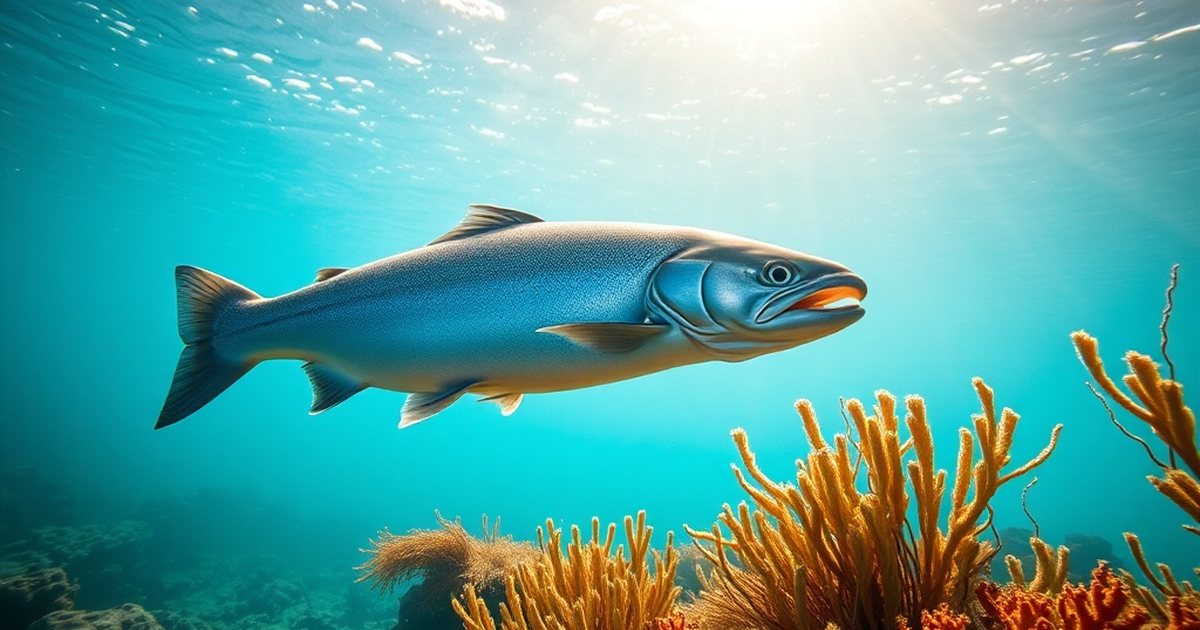
Astaxanthin is a red keto-carotenoid produced primarily by the microalgae Haematococcus pluvialis and consumed by salmon, shrimp, and flamingos—which is why those animals turn pink. Over the past two decades it has attracted serious scientific attention as a dietary supplement, largely because of its unusual molecular structure: unlike most antioxidants, astaxanthin spans both the hydrophilic and lipophilic regions of a cell membrane simultaneously, giving it a broader free-radical-quenching reach than vitamin C or vitamin E alone.
With growing popularity comes a reasonable question: is astaxanthin actually safe to take? The short answer, based on available toxicology reviews and human clinical trials, is that natural astaxanthin from Haematococcus pluvialis has a well-characterized safety profile at commonly used doses. This article walks through the regulatory status, preclinical toxicology record, what human studies show, and where genuine caution is warranted. Nothing here is medical advice—discuss any supplement with a qualified health professional.
Key Takeaways
- Natural astaxanthin from Haematococcus pluvialis holds FDA GRAS status, supported by genotoxicity and rat carcinogenicity studies showing no mutagenic or tumor-promoting signals [1].
- Human RCTs at doses up to 12 mg/day, most lasting 12 weeks or less and one running a full year, have found astaxanthin well tolerated with no serious adverse effects reported across diverse populations [2] [3].
- The most documented side effect at very high doses (above roughly 20 mg/day) is reversible carotenodermia—an orange-yellow skin tint—not a dangerous systemic reaction.
- Evidence in pregnant or breastfeeding women is insufficient; supplementation is not recommended during these periods regardless of the general safety profile.
- Most human safety data cover 12 weeks or less. The one exception, a twelve-month randomized trial of 12 mg per day in 61 renal transplant recipients, reported no safety problem but was not powered as a safety study [4].
What Astaxanthin Is and How It Works
Astaxanthin (3,3′-dihydroxy-β,β-carotene-4,4′-dione) is a xanthophyll carotenoid—structurally similar to β-carotene but with keto and hydroxyl groups at each end of the molecule. This configuration allows it to anchor across the full thickness of a phospholipid bilayer rather than sitting only in the lipid core, effectively acting as a molecular bridge that can neutralize reactive oxygen species on both the membrane interior and its aqueous surfaces.
Early preclinical and medicinal chemistry work explored astaxanthin in the context of cardioprotection, documenting its combined antioxidant and anti-inflammatory activity [5]. Researchers also synthesized novel water-soluble astaxanthin conjugates designed to optimize oral and parenteral delivery to harness these same cardioprotective properties [6]. Understanding this dual-phase antioxidant mechanism matters for evaluating safety because it explains how astaxanthin is absorbed and distributed differently from simpler antioxidants and why characterizing the dose-response profile is important.
Regulatory Status: GRAS and What It Actually Means
In the United States, natural astaxanthin derived from Haematococcus pluvialis holds Generally Recognized As Safe (GRAS) status from the Food and Drug Administration. GRAS designation means that qualified scientific experts have concluded the substance is safe under its intended conditions of use—in this case, as a dietary supplement and food ingredient. This is a meaningful regulatory threshold, not a marketing claim.
Astaxanthin is also approved as a food colorant and feed additive in the European Union and several other jurisdictions, and synthetic astaxanthin has long been used in aquaculture feed. The specific safety profile discussed in most human research, however, refers to natural astaxanthin from Haematococcus pluvialis, so it is important to distinguish between natural and synthetic forms when interpreting safety data. GRAS status does not mean unlimited-dose safety—it means safety at intended levels of use.

Genotoxicity and Carcinogenicity: What Preclinical Data Show
A comprehensive review of genotoxicity assays and long-term rat carcinogenicity studies found no evidence that astaxanthin damages DNA or promotes tumor formation [1]. The genotoxicity investigations included standard battery tests—the Ames test for mutagenicity, chromosomal aberration assays, and in vivo micronucleus tests—and astaxanthin did not raise flags in any of them.
The rat carcinogenicity investigations examined chronic high-dose exposure over the animals’ lifetimes and again found no carcinogenic signal attributable to astaxanthin [1]. These findings form part of the foundational toxicology package that supported regulatory approvals in multiple jurisdictions. While animal data do not automatically translate to humans, the absence of genotoxic or carcinogenic activity across multiple independent assay types is a meaningful safety signal and distinguishes astaxanthin from compounds that have shown preclinical red flags.
Human Clinical Trial Safety Data
Beyond preclinical testing, astaxanthin has been evaluated in multiple human randomized controlled trials at doses typically ranging from 4 mg to 12 mg per day for periods of four to twelve weeks. Across these studies, no serious adverse events have been attributed to astaxanthin supplementation at these doses.
A 2024 RCT in firefighters supplementing with astaxanthin monitored a broad range of cardiometabolic markers and tactical performance measures; the intervention was well tolerated and no clinically meaningful adverse effects were reported [2]. A 2025 RCT using astaxanthin as an adjunctive therapy in patients with community-acquired pneumonia also found the supplement safe when added to standard care, with anti-inflammatory and antioxidant biomarkers improving in the treatment group compared to placebo [3].
The longest randomized trial of astaxanthin in humans ran for a full year. In the XANTHIN trial, 61 renal transplant recipients were randomly assigned to 12 mg of astaxanthin per day or an identical placebo, with assessments at baseline, six months and twelve months, and 58 of them completed it [4]. It was designed as an efficacy trial rather than a safety trial, and it did not find what it was looking for: there were no significant between-group differences on arterial stiffness, oxidative stress or inflammation, and none on any secondary outcome either. What it contributes here is twelve months of continuous 12 mg dosing in a clinically fragile population, every member of which was also taking immunosuppressant drugs, with no reported safety problem. One trial of 61 people is not a long-term safety database, and the authors noted that larger than expected variability reduced the study’s power. It is still the closest thing to long-term human data that astaxanthin has.
The consistency of the tolerability profile across diverse populations—healthy athletes, occupational responders, and patients with acute respiratory illness—adds confidence that astaxanthin at commonly used doses does not carry hidden harms. That said, most human trials have been short (twelve weeks or less), and with only one twelve-month trial published, long-term data in humans remain limited and this is an honest gap in the evidence base.
Known Side Effects and Dose Considerations
The most commonly discussed side effect of astaxanthin is carotenodermia—an orange-yellow skin discoloration caused by carotenoid deposition in subcutaneous fat. This effect is reversible when supplementation stops and has been associated primarily with very high doses above roughly 20 mg per day sustained over extended periods. At the doses used in most clinical trials (up to 12 mg/day), carotenodermia is not typically reported.
Minor gastrointestinal complaints such as loose stools or mild stomach discomfort have been noted anecdotally at higher doses, though these have not been a consistent finding across controlled trials. No serious hepatotoxic, nephrotoxic, or immunosuppressive effects have been identified in the available human or animal literature at relevant doses.


Regarding special populations: evidence in pregnant and breastfeeding women is insufficient to establish safety, so supplementation is not recommended during pregnancy or lactation. People taking anticoagulant medications or those with conditions affecting carotenoid metabolism should speak with a physician before adding astaxanthin to their routine.
Anti-Inflammatory Activity and Its Safety Implications
Part of evaluating a supplement’s safety involves understanding its biological activity—because potent anti-inflammatory compounds can, in some contexts, interfere with immune function or interact with medications. The anti-inflammatory and antioxidant activity of astaxanthin has been documented in clinical settings: a 2025 randomized controlled trial found that astaxanthin used as adjunct therapy in community-acquired pneumonia patients led to measurable reductions in inflammatory markers compared to standard care alone [3].
At the doses studied in humans, this anti-inflammatory activity appears to be beneficial rather than immunosuppressive—patients in the pneumonia trial did not show evidence of impaired infection clearance. Early cardioprotective research likewise framed astaxanthin’s combined antioxidant and anti-inflammatory properties as mechanistically advantageous rather than harmful [5]. However, the same activity theoretically warrants attention in people already taking potent anti-inflammatory or immunomodulatory medications, where additive effects could occur. Formal drug-interaction studies specific to astaxanthin in humans are limited.
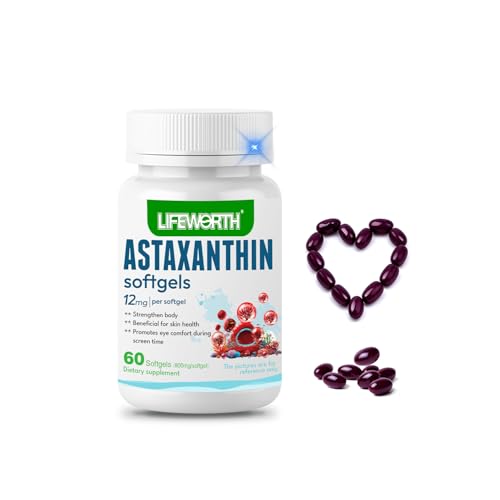
🛒 Where to Buy Astaxanthin
- Nutrex Hawaii BioAstin Hawaiian AstaxanthinLab-tested / studied
softgels, 12 mg per softgel, 90 count — Hawaiian-grown Haematococcus pluvialis, sold as the High Potency 90-softgel bottle - Pure Synergy SuperPure Astaxanthin Extract
capsules, 60 count — Sold as an astaxanthin extract in a capsule rather than a softgel; the listing does not state a mg per capsule, so check the label for the dose before comparing it with the 12 mg bottles here - Naturalis New Zealand Astaxanthin
softgels, 12 mg per softgel, 120 count — New Zealand-grown rather than Hawaiian, and the largest bottle on this list at 120 softgels - NOW Foods Astaxanthin
softgels, 4 mg per softgel — The entry-level 4 mg dose, built on the Zanthin astaxanthin ingredient; a lower starting point than the 12 mg bottles above
As an Amazon Associate we earn from qualifying purchases. Astaxanthin products vary mainly by dose and by source, with 4mg and 12mg the common strengths and most of them derived from Haematococcus pluvialis algae, so check the label for the astaxanthin content per serving and prefer products that publish third-party testing.
A Note on the Evidence
Most human trial data on astaxanthin cover periods of 12 weeks or less, and only one randomized trial has run as long as twelve months, so very long-term effects in humans have not been fully characterized; the safety profile beyond three months of continuous use requires further study. People who are pregnant, breastfeeding, or taking prescription medications—particularly blood thinners, immunosuppressants, or anti-inflammatory drugs—should consult a qualified healthcare provider before beginning astaxanthin supplementation, as this article is informational only and does not constitute medical advice.
Frequently Asked Questions
Is astaxanthin FDA approved or just a supplement?
Natural astaxanthin from Haematococcus pluvialis holds GRAS (Generally Recognized As Safe) status with the FDA for use as a dietary supplement and food ingredient. GRAS reflects expert consensus on safety under intended conditions of use. It is not the same as drug approval, which additionally requires demonstrated therapeutic efficacy in regulated trials.
Has astaxanthin been shown to cause cancer in animal studies?
A thorough review of genotoxicity assays and long-term rat carcinogenicity investigations found no evidence that astaxanthin is mutagenic or carcinogenic [1]. Multiple standard genotoxicity tests—including the Ames test and chromosomal aberration assays—returned negative results, and lifetime high-dose exposure in rats did not produce a carcinogenic signal attributable to astaxanthin.
What dose of astaxanthin is considered safe for humans?
Most human RCTs have used doses ranging from 4 to 12 mg per day for up to 12 weeks, and one ran for twelve months at 12 mg per day, with no serious adverse effects reported at these levels [2]. Preclinical data and regulatory reviews suggest moderate doses are well tolerated, though the cosmetic concern of reversible skin yellowing becomes more notable above roughly 20 mg per day. No universally agreed maximum dose exists for humans.

Can astaxanthin cause liver damage?
No clinically documented hepatotoxicity has been attributed to astaxanthin in available human trials or preclinical studies at relevant doses. The toxicology review covering genotoxicity and carcinogenicity investigations found no organ-specific toxicity signals at the doses examined [1]. Individuals with pre-existing liver conditions should still consult a physician before starting any new supplement.
Is astaxanthin safe to take alongside prescription medications?
No major drug interactions have been identified in trials to date, but formal drug-interaction studies specific to astaxanthin are limited. Astaxanthin has meaningful anti-inflammatory and antioxidant activity [3], so theoretical additive effects with blood-thinning or immunomodulatory drugs are plausible. Always disclose all supplements to your prescribing physician, particularly if you take anticoagulants or immunosuppressants.
Is astaxanthin safe during pregnancy or breastfeeding?
Evidence in pregnant and breastfeeding women is currently insufficient to establish safety, and no RCTs have specifically studied astaxanthin in these populations. Until adequate data exist, supplementation during pregnancy or lactation is not recommended. This caution applies regardless of the supplement’s otherwise favorable safety profile in other adult populations.
References
- Edwards JA et al. Review of genotoxicity and rat carcinogenicity investigations with astaxanthin. Regulatory toxicology and pharmacology : RTP (2016). PMID 26713891
- Gonzalez DE et al. Impact of astaxanthin supplementation on markers of cardiometabolic health and tactical performance among firefighters. Journal of the International Society of Sports Nutrition (2024). PMID 39568140
- Youssef FM et al. The anti-inflammatory and antioxidant effects of astaxanthin as an adjunctive therapy in community-acquired pneumonia: a randomized controlled trial. Frontiers in pharmacology (2025). PMID 40852606
- Coombes JS, Sharman JE, Fassett RG. Astaxanthin has no effect on arterial stiffness, oxidative stress, or inflammation in renal transplant recipients: a randomized controlled trial (the XANTHIN trial). Am J Clin Nutr (2016);103:283-289. PMID 26675778
- Lockwood SF et al. Disodium disuccinate astaxanthin (Cardax): antioxidant and antiinflammatory cardioprotection. Cardiovascular drug reviews (2005). PMID 16252014
- Lockwood SF et al. Retrometabolic syntheses of astaxanthin (3,3'-dihydroxy-beta,beta-carotene-4,4'-dione) conjugates: a novel approach to oral and parenteral cardio-protection. Cardiovascular & hematological agents in medicinal chemistry (2006). PMID 17073610
These statements have not been evaluated by the Food and Drug Administration. This information is not intended to diagnose, treat, cure, or prevent any disease. Content is for informational purposes only and is not medical advice; consult a qualified healthcare provider before starting any supplement. As an Amazon Associate we earn from qualifying purchases.
