Astaxanthin is a red-orange ketocarotenoid produced primarily by the microalgae Haematococcus pluvialis. Unlike most antioxidants, it inserts perpendicularly across cell membranes, spanning both the lipid-soluble interior and the water-soluble surface simultaneously. That structural positioning gives it an unusually broad reach: it can quench free radicals and singlet oxygen in compartments where other antioxidants cannot operate. Oxidative stress and chronic low-grade inflammation are now understood to be central drivers of arterial disease, which is why astaxanthin has drawn interest from cardiovascular researchers.
The evidence base spans animal models, small human randomized controlled trials, and several meta-analyses. Findings on lipid profiles and inflammatory markers are encouraging, but large, long-term trials in people with established cardiovascular disease remain limited. This article summarizes what the current research supports, where genuine gaps exist, and what distinguishes astaxanthin mechanistically from more familiar antioxidant supplements.
Key Takeaways
- Astaxanthin spans both the lipid and aqueous phases of cell membranes, giving it an unusually broad antioxidant reach that may help protect LDL from oxidative modification — a key early step in atherosclerosis [1].
- A human randomized controlled trial found natural astaxanthin increased HDL-cholesterol and adiponectin in adults with mild hyperlipidemia [2]; a 2025 meta-analysis reviewed its effects on lipid profile parameters across multiple trials [3].
- Animal studies show astaxanthin may reduce PCSK9 expression (increasing LDL receptor availability), decrease lipid peroxidation, and support endothelial function — but these mechanisms await confirmation in large human trials.
- Astaxanthin is most plausibly useful as part of a broader cardiovascular health approach — alongside diet, exercise, and appropriate medical care — rather than as a standalone intervention.
- Most human trials are small and short-term; large randomized controlled trials in people with established cardiovascular disease are still lacking, and caution is warranted when interpreting current findings.
How Astaxanthin May Protect the Heart: The Mechanism
Cardiovascular disease involves a cascade of interconnected events — LDL cholesterol becoming oxidized in arterial walls, inflammatory signaling accelerating plaque formation, and blood vessel function deteriorating over time. Astaxanthin may intervene at several of these steps. Its perpendicularly anchored position within the phospholipid bilayer allows it to protect both membrane leaflets simultaneously, enabling it to neutralize lipid-soluble radicals inside the membrane and water-soluble radicals at its surface — a dual-phase action considered structurally distinct from carotenoids that reside only in the lipid core [1].
Beyond direct radical scavenging, astaxanthin appears to suppress nuclear factor-kappa B (NF-κB), a master regulator of inflammatory gene expression that plays a central role in atherosclerosis [4]. It also influences lipid metabolism at the molecular level: a 2026 animal study found that astaxanthin reduced expression of PCSK9 — a protein that degrades LDL receptors — while simultaneously upregulating LDL receptor density on cell surfaces, a dual mechanism that could meaningfully lower circulating LDL [5]. These are promising mechanistic pathways, though most of this level of evidence originates from animal or cell culture research and has not yet been confirmed in large human trials.
LDL Oxidation and Atherosclerosis Risk: What Animal Models Show
Oxidized LDL is considerably more atherogenic than native LDL. Once oxidized, LDL particles are taken up by macrophages in arterial walls, forming foam cells — the cellular hallmark of early atherosclerotic plaques. Astaxanthin’s lipid-phase antioxidant activity makes it a direct candidate for interrupting this process. In rats fed a high-fat diet, astaxanthin combined with flaxseed oil significantly attenuated markers associated with atherosclerosis risk, including measures of lipid peroxidation [6].

A 2026 study using an ovariectomized rat model — commonly used to study post-menopausal cardiovascular risk — found that astaxanthin supplementation, particularly when combined with selenium, reduced lipid peroxidation biomarkers and improved the overall cardiovascular marker profile [5]. This suggests the antioxidant benefit may be relevant in hormonal contexts where cardiovascular risk rises. Rodent lipid biology and LDL metabolism differ meaningfully from human physiology, however, and these findings should not be interpreted as confirmed human outcomes.
Lipid Profile Effects in Human Studies
The most directly relevant human data on astaxanthin and lipids comes from a randomized controlled trial in adults with mild hyperlipidemia. Participants receiving natural astaxanthin showed significant increases in serum HDL-cholesterol — the protective lipoprotein — as well as increased adiponectin, a hormone associated with improved insulin sensitivity and lower cardiovascular risk [2]. Effects on LDL and triglycerides were more modest in that study, and the finding on HDL remains one of the more consistent signals in the human literature.
A 2025 systematic review and meta-analysis specifically examined astaxanthin supplementation at moderate to high doses across multiple randomized controlled trials and reported on its effects on lipid profile parameters including LDL, HDL, and triglycerides [3]. Meta-analyses provide the most comprehensive current picture, though astaxanthin trials tend to be small and heterogeneous. A broader meta-analysis of nutraceutical combinations that included astaxanthin also found measurable effects on plasma lipids [7], though isolating astaxanthin’s individual contribution from multi-ingredient products is inherently difficult.
In patients with myopathy — a group who often cannot tolerate statins — a combination of monacolin K (the active compound in red yeast rice) and astaxanthin helped maintain more favorable blood cholesterol levels compared to diet alone [8]. This points to a possible role for astaxanthin as a component of cholesterol management strategies in specific populations, even if the multi-ingredient design prevents attributing outcomes to astaxanthin alone.
Inflammation: A Core Link Between Astaxanthin and Cardiovascular Risk
Chronic low-grade inflammation is now recognized as a core mechanism in atherosclerotic cardiovascular disease, not merely a downstream consequence. Natural products with genuine anti-inflammatory activity are therefore of real interest in preventive cardiology [4]. Astaxanthin modulates several inflammation-relevant pathways, including suppression of pro-inflammatory cytokines and reduction in oxidative stress markers documented across both animal and early human research.
The 2026 rat study reported that astaxanthin and selenium co-supplementation reduced markers of systemic inflammation alongside lipid peroxidation findings [5]. This aligns with a coherent mechanistic picture: if astaxanthin reduces oxidative modification of LDL while simultaneously dampening inflammatory signaling in arterial walls, both pathways would be expected to contribute to lower atherosclerosis risk over time. Human trials measuring inflammatory biomarkers such as C-reactive protein with astaxanthin supplementation alone remain limited — a genuine evidence gap that future research needs to address.

Endothelial Function: Protecting the Lining of Blood Vessels
The endothelium — the single-cell-thick layer lining blood vessels — regulates vascular tone, prevents abnormal clotting, and maintains arterial flexibility. Endothelial dysfunction is an early and potentially modifiable step in cardiovascular disease, occurring well before overt plaque formation. In a diabetic rat model, astaxanthin administration improved markers of endothelial dysfunction, suggesting it may help preserve vascular function under metabolic stress [9].

This is particularly relevant because people with diabetes carry substantially elevated cardiovascular risk, and endothelial dysfunction is a major contributing factor. The finding is from an animal model and cannot be directly applied to clinical practice, but it identifies a plausible mechanism through which astaxanthin might contribute to vascular health independent of its lipid-modifying effects. Controlled human studies examining endothelial function as a primary outcome with astaxanthin supplementation represent an important area for future investigation.
Dosing, Food Sources, and Safety Considerations
Astaxanthin occurs naturally in salmon, shrimp, krill, and other marine organisms that feed on Haematococcus algae. Dietary intake from food is typically far lower than the doses used in trials. A study examining shrimp oil — which contains astaxanthin alongside other marine lipids — in children and adolescents found favorable effects on cardio-metabolic risk factors [10], though the multi-component nature of shrimp oil means findings cannot be attributed specifically to astaxanthin.
Supplement doses in human cardiovascular trials have generally ranged from 4 to 12 mg per day. Natural astaxanthin from Haematococcus pluvialis holds GRAS (Generally Recognized as Safe) status in the United States, and trials up to 12 mg/day for 12 weeks have not identified serious adverse effects. At very high doses above approximately 20 mg/day, a reversible orange-yellow skin discoloration (carotenodermia) has been reported — the same phenomenon seen with excessive beta-carotene intake. Evidence in pregnancy is insufficient, and supplementation during pregnancy or breastfeeding is not recommended.
🛒 Where to Buy Astaxanthin
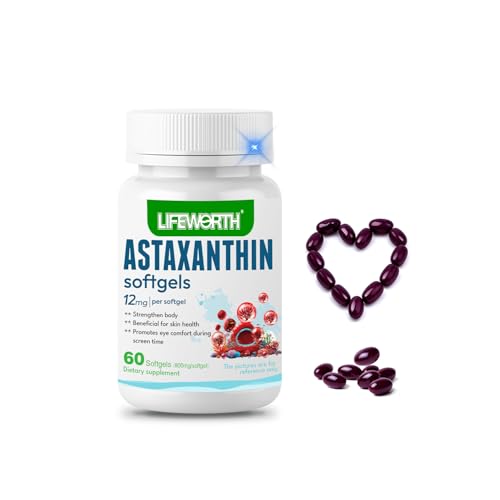
- Nutrex Hawaii BioAstin Hawaiian AstaxanthinLab-tested / studied
softgels, 12 mg per softgel, 90 count — Hawaiian-grown Haematococcus pluvialis, sold as the High Potency 90-softgel bottle - Pure Synergy SuperPure Astaxanthin Extract
capsules, 60 count — Sold as an astaxanthin extract in a capsule rather than a softgel; the listing does not state a mg per capsule, so check the label for the dose before comparing it with the 12 mg bottles here - Naturalis New Zealand Astaxanthin
softgels, 12 mg per softgel, 120 count — New Zealand-grown rather than Hawaiian, and the largest bottle on this list at 120 softgels - NOW Foods Astaxanthin
softgels, 4 mg per softgel — The entry-level 4 mg dose, built on the Zanthin astaxanthin ingredient; a lower starting point than the 12 mg bottles above
As an Amazon Associate we earn from qualifying purchases. Astaxanthin products vary mainly by dose and by source, with 4mg and 12mg the common strengths and most of them derived from Haematococcus pluvialis algae, so check the label for the astaxanthin content per serving and prefer products that publish third-party testing.
A Note on the Evidence
The majority of mechanistic and high-dose evidence for astaxanthin’s cardiovascular effects comes from animal studies, and human trials are generally small, short-term, and often use astaxanthin in combination with other compounds; this article is informational context only and is not a basis for changing medications or cardiovascular treatment without consulting a qualified healthcare provider. Astaxanthin is not recommended during pregnancy or breastfeeding due to insufficient safety evidence in those populations.
Frequently Asked Questions
Does astaxanthin lower LDL cholesterol in humans?
Results in human trials are modest and mixed. Some studies show small LDL reductions, and a 2025 meta-analysis reviewed astaxanthin’s effects on LDL across multiple randomized controlled trials [3]. Animal research suggests it may lower LDL partly by reducing PCSK9 and upregulating LDL receptor expression [5], but these mechanisms have not been firmly confirmed in well-powered human studies.

Does astaxanthin raise HDL cholesterol?
A randomized controlled trial in adults with mild hyperlipidemia found that natural astaxanthin supplementation significantly increased serum HDL-cholesterol and the cardioprotective hormone adiponectin compared to placebo [2]. This is one of the more consistent findings in the human literature, though replication in larger trials is needed before drawing firm conclusions.
Can astaxanthin help reduce cardiovascular inflammation?
Astaxanthin suppresses pro-inflammatory pathways including NF-κB signaling, which plays a central role in atherosclerosis [4]. Animal models demonstrate reductions in inflammatory biomarkers alongside improved lipid peroxidation markers [5]. Direct human trial data measuring cardiac-specific inflammatory biomarkers with astaxanthin supplementation alone is still limited, which is a recognized gap in the evidence.
Is astaxanthin safe for daily supplementation?
Natural astaxanthin from Haematococcus pluvialis holds GRAS status and has not shown serious adverse effects in trials at doses up to 12 mg/day for 12 weeks. The most consistently noted side effect at very high doses (above approximately 20 mg/day) is a reversible orange-yellow skin tint called carotenodermia. Evidence during pregnancy is insufficient, so supplementation is not recommended for pregnant or breastfeeding individuals.
How does astaxanthin compare to other antioxidants for heart health?
Astaxanthin’s structural positioning across the full cell membrane bilayer — protecting both lipid and aqueous compartments — is considered a meaningful mechanical advantage over antioxidants confined to one phase [1]. Whether this translates into clinically superior outcomes compared to other antioxidants in cardiovascular disease has not been established in head-to-head human trials, so direct comparisons remain speculative.
Should astaxanthin be combined with other supplements for heart health?
Some research has examined combination approaches. Monacolin K combined with astaxanthin helped maintain favorable cholesterol levels in myopathy patients who could not tolerate statins [8], and selenium co-supplementation showed synergistic effects in animal research [5]. Combination strategies may be more effective than astaxanthin alone for some individuals, but any multi-supplement regimen should be discussed with a healthcare provider to assess appropriateness and potential interactions with medications.
References
- Kidd P et al. Astaxanthin, cell membrane nutrient with diverse clinical benefits and anti-aging potential. Alternative medicine review : a journal of clinical therapeutic (2011). PMID 22214255
- Yoshida H et al. Administration of natural astaxanthin increases serum HDL-cholesterol and adiponectin in subjects with mild hyperlipidemia. Atherosclerosis (2010). PMID 19892350
- Fornari Laurindo L et al. Assessing the Effects of Moderate to High Dosage of Astaxanthin Supplementation on Lipid Profile Parameters-A Systematic Review and Meta-Analysis of Randomized Controlled Studies. Pharmaceuticals (Basel, Switzerland) (2025). PMID 40872489
- Kulkarni A et al. Role of Anti-Inflammatory and Antioxidant Properties of Natural Products in Curing Cardiovascular Diseases. Current issues in molecular biology (2025). PMID 41296459
- Zaer HF et al. Selenium-Astaxanthin Co-Supplementation Synergistically Reduces PCSK9 Expression, Upregulates LDL Receptors, and Improves lipid profile and Cardiovascular Markers in Menopausal Ovariectomized Rats by attenuating inflammation and lipid peroxidation. Biological trace element research (2026). PMID 41984397
- Xu J et al. A combination of flaxseed oil and astaxanthin alleviates atherosclerosis risk factors in high fat diet fed rats. Lipids in health and disease (2014). PMID 24708887
- Pirro M et al. The effects of a nutraceutical combination on plasma lipids and glucose: A systematic review and meta-analysis of randomized controlled trials. Pharmacological research (2016). PMID 27157250
- Villano I et al. The Role of Nutraceutical Supplements, Monacolin K and Astaxanthin, and Diet in Blood Cholesterol Homeostasis in Patients with Myopathy. Biomolecules (2022). PMID 36009012
- Zhao ZW et al. Ameliorative effect of astaxanthin on endothelial dysfunction in streptozotocin-induced diabetes in male rats. Arzneimittel-Forschung (2011). PMID 21650083
- Aref M et al. Effects of shrimp oil on cardio-metabolic risk factors in children and adolescents. International journal for vitamin and nutrition research. Internationale Zeitschrift fur Vitamin- und Ernahrungsforschung. Journal international de vitaminologie et de nutrition (2023). PMID 35311593
These statements have not been evaluated by the Food and Drug Administration. This information is not intended to diagnose, treat, cure, or prevent any disease. Content is for informational purposes only and is not medical advice; consult a qualified healthcare provider before starting any supplement. As an Amazon Associate we earn from qualifying purchases.
