Astaxanthin is a keto-carotenoid produced primarily by the freshwater microalgae Haematococcus pluvialis. Unlike most dietary antioxidants, it is both lipid- and water-soluble, allowing it to embed across the full thickness of cell membranes rather than concentrating in only one phase. This structural property underpins its proposed ability to quench singlet oxygen and interrupt free-radical chain reactions across multiple cellular compartments simultaneously.
Interest in astaxanthin dosage has grown as researchers have explored its effects on eye fatigue, UV-related skin changes, exercise-induced muscle damage, and inflammatory markers. However, the clinical evidence base remains relatively early-stage—most trials are small, short-term, and industry-funded. This article maps what the published human trial data actually tell us about how much to take, for what purpose, and at what point caution is warranted. It is informational, not medical advice.
Key Takeaways
- Most human RCTs have used 4–12 mg daily for general antioxidant and wellness endpoints; 40 mg was tested in one gastrointestinal trial and was tolerated [1].
- Natural astaxanthin from Haematococcus pluvialis is GRAS-designated and has not produced serious adverse effects in trials up to 12 mg/day for 12 weeks.
- The only consistently reported side effect at very high doses (above ~20 mg/day) is reversible yellow-orange skin discoloration; this resolves on stopping supplementation.
- Always take astaxanthin with a fat-containing meal to maximize absorption; most trials showing effects ran 8–12 weeks.
- Supplementation during pregnancy or breastfeeding is not recommended due to insufficient safety data; anyone on medications should speak with a clinician first.
How Astaxanthin Works: The Biological Rationale for Dosing
Astaxanthin’s antioxidant mechanism differs from vitamins C and E in one important respect: its polar keto and hydroxyl groups anchor at both the inner and outer surfaces of a phospholipid bilayer while its polyene backbone sits within the hydrophobic core. This means a single astaxanthin molecule can intercept free radicals at multiple membrane locations at once, something neither a purely water-soluble nor purely fat-soluble antioxidant can achieve.
In cell culture and animal models, astaxanthin consistently suppresses NF-κB signaling and downstream cytokines such as IL-6 and TNF-α, and reduces markers of oxidative stress including malondialdehyde and 8-isoprostane. The relevance of these findings to oral supplementation in healthy humans depends heavily on bioavailability, which varies with the food matrix, formulation, and whether astaxanthin is taken with a fat-containing meal. These mechanistic considerations are why human trials span a relatively wide dose range rather than converging on a single number.
Doses Used in Human Clinical Trials
Published randomized controlled trials have used oral doses ranging from 4 mg to 40 mg per day. The lower end of that range—4 to 12 mg daily—appears most frequently in trials examining skin photoprotection, eye accommodation and fatigue, and general antioxidant status. Doses in the 12 to 20 mg range have been tested for exercise performance and muscle recovery. Higher doses exist primarily in gastrointestinal research.
One double-blind, placebo-controlled RCT examined astaxanthin at 16 mg and 40 mg daily for six weeks in patients with functional dyspepsia, with and without Helicobacter pylori infection [1]. The 40 mg dose produced greater symptom reduction than placebo in H. pylori-negative patients, though neither dose reached statistical significance across the full cohort. This study is notable for using doses considerably higher than those typically sold in consumer supplements, and for demonstrating tolerability at those levels.


It is important to note that dose selection in each trial reflects the outcome being studied. A dose that measurably reduces eye fatigue scores may produce no detectable effect on exercise recovery, and vice versa. There is currently no universal ‘optimal’ astaxanthin dose validated across multiple health endpoints simultaneously.
Evidence by Health Area: What Doses Were Studied
For ocular health and eye fatigue, small Japanese trials have predominantly used 6 to 12 mg per day over four to eight weeks, observing improvements in accommodation amplitude and subjective eye strain scores in computer workers. These trials are generally small and have not been fully replicated in independent research groups.
Skin-related research has clustered around 4 to 6 mg daily for 8 to 16 weeks, with some studies reporting reduced UV-induced pigmentation, improved skin elasticity, and lower markers of oxidative damage to skin cells. Exercise performance research has used 4 to 20 mg, with mixed results on parameters such as time-to-exhaustion, lactate clearance, and muscle enzyme markers after eccentric exercise.
For gastrointestinal applications, the most directly cited human evidence involves doses up to 40 mg, as noted in the dyspepsia trial [1]. Across all of these areas the consistent pattern is that effects, when observed, are modest and the evidence base is not yet sufficient to establish definitive clinical dosing recommendations.
Safety Profile and the Upper Boundary
Natural astaxanthin from Haematococcus pluvialis holds Generally Recognized as Safe (GRAS) status in the United States. In controlled trials running up to 12 weeks, doses of up to 12 mg per day have produced no serious adverse effects. The most consistently documented side effect at very high intakes—above roughly 20 mg per day sustained over time—is carotenodermia, a reversible yellow-orange discoloration of the skin caused by carotenoid deposition in subcutaneous fat. This is the same benign phenomenon seen with heavy dietary beta-carotene intake and resolves upon discontinuation.
Because no adequately powered safety trials have been conducted in pregnant or breastfeeding individuals, supplementation during pregnancy or lactation is not currently recommended. People taking immunosuppressants or anticoagulants should discuss use with a clinician, as theoretical interactions via anti-inflammatory and antioxidant pathways exist, though they have not been documented clinically at consumer supplement doses.
The dyspepsia trial that used 40 mg daily for six weeks reported that the high dose was tolerated without serious adverse events [1], but 40 mg is substantially above what most consumer products deliver and should not be extrapolated as a general target.

Practical Dosing Considerations: Form, Timing, and Duration
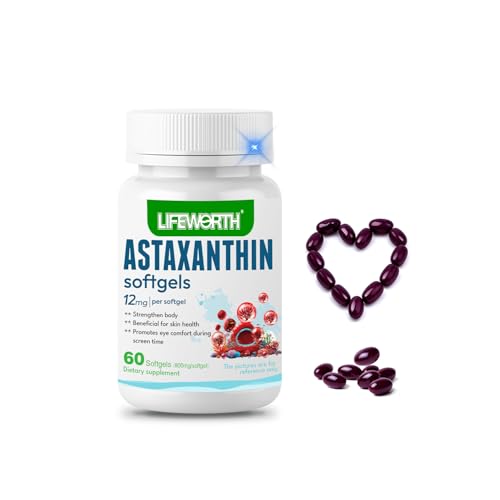
Astaxanthin is a fat-soluble compound. Bioavailability is meaningfully higher when taken with a meal containing dietary fat compared to a fasted state or a low-fat meal. Consumer supplements range from 4 mg to 12 mg per softgel, with most standard products providing 4 to 6 mg. Most human trials that reported positive results ran for eight to twelve weeks, suggesting that shorter courses may not allow sufficient tissue accumulation for measurable effects.
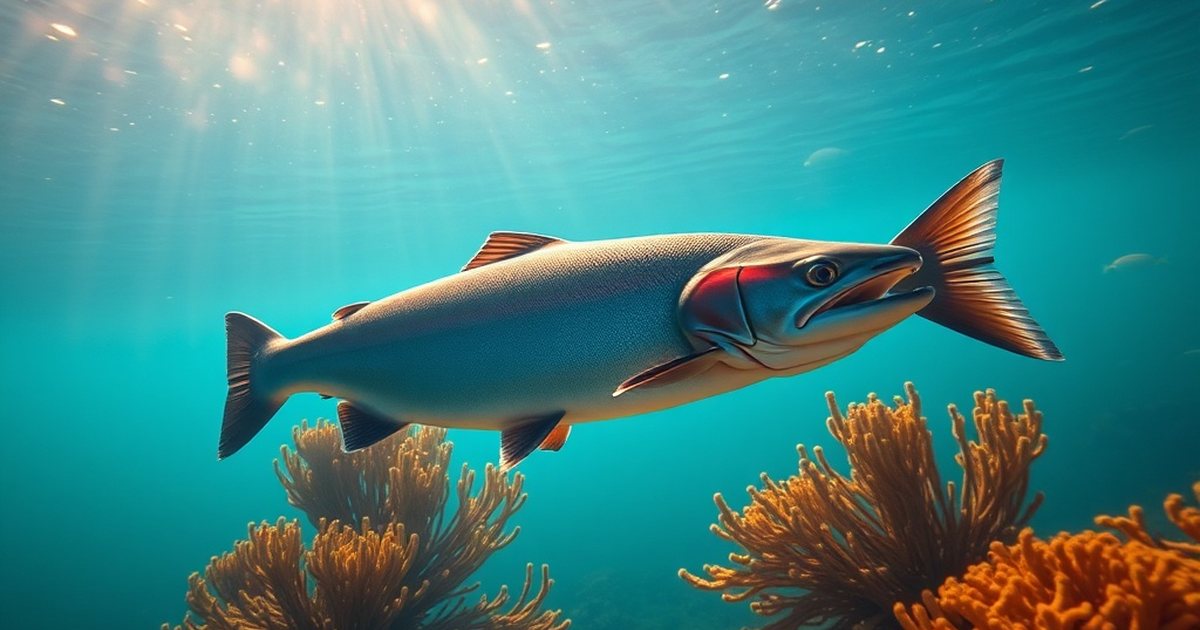
Synthetic astaxanthin (produced petrochemically) is used extensively in aquaculture feed and is chemically distinct in stereoisomer profile from natural astaxanthin derived from H. pluvialis. Most human trials and all GRAS-designated products use the natural algal form. When evaluating a product, checking that the source is specified as Haematococcus pluvialis is a reasonable step.
There is currently no strong evidence that doses above 12 mg per day produce proportionally greater benefits for the typical endpoints studied in human trials. Higher doses increase cost and, at sustained intakes above 20 mg, raise the likelihood of cosmetically noticeable carotenodermia without clear additional clinical return.
Honest Limitations of the Current Evidence
The majority of astaxanthin RCTs are small—typically 20 to 60 participants—and many are conducted or funded by manufacturers of astaxanthin ingredients. Independent replication of positive findings is limited. Publication bias, where studies showing null results are less likely to be published, is a recognized issue in nutraceutical research and has not been systematically addressed in this literature.
The two human trial PMIDs available within this review cover a relatively narrow slice of astaxanthin research: one gastrointestinal application at high doses [1], and one cardiovascular lipid trial that examined a different supplement combination and does not provide astaxanthin-specific dosing evidence [2]. This reflects a broader reality: the clinical evidence base for astaxanthin, while promising in several areas, does not yet support confident, universal dosing recommendations in the way that a well-characterized pharmaceutical might.
🛒 Where to Buy Astaxanthin
- Nutrex Hawaii BioAstin Hawaiian AstaxanthinLab-tested / studied
softgels, 12 mg per softgel, 90 count — Hawaiian-grown Haematococcus pluvialis, sold as the High Potency 90-softgel bottle - Pure Synergy SuperPure Astaxanthin Extract
capsules, 60 count — Sold as an astaxanthin extract in a capsule rather than a softgel; the listing does not state a mg per capsule, so check the label for the dose before comparing it with the 12 mg bottles here - Naturalis New Zealand Astaxanthin
softgels, 12 mg per softgel, 120 count — New Zealand-grown rather than Hawaiian, and the largest bottle on this list at 120 softgels - NOW Foods Astaxanthin
softgels, 4 mg per softgel — The entry-level 4 mg dose, built on the Zanthin astaxanthin ingredient; a lower starting point than the 12 mg bottles above
As an Amazon Associate we earn from qualifying purchases. Astaxanthin products vary mainly by dose and by source, with 4mg and 12mg the common strengths and most of them derived from Haematococcus pluvialis algae, so check the label for the astaxanthin content per serving and prefer products that publish third-party testing.
A Note on the Evidence
The clinical evidence for astaxanthin remains early-stage—most trials are small, short-term, and not independently replicated—so no firm therapeutic dosing recommendations can be made. Anyone with a medical condition, those taking prescription medications, and anyone who is pregnant or breastfeeding should consult a qualified healthcare provider before starting supplementation. This article is informational only and does not constitute medical advice.
Frequently Asked Questions
What is the most common astaxanthin dose used in research?
The majority of published RCTs examining eye health, skin photoprotection, and general antioxidant markers have used 4 to 12 mg per day. One gastrointestinal study tested 16 mg and 40 mg doses in patients with functional dyspepsia and found the higher dose better tolerated and modestly more effective in a subgroup [1], but 40 mg is not a standard consumer recommendation.
Is a higher astaxanthin dose always more effective?
Not necessarily. The dose-response relationship for astaxanthin in humans has not been clearly established across health endpoints. There is no strong clinical evidence that doses above 12 mg per day produce meaningfully greater benefits for most studied outcomes compared to 6–12 mg. Higher doses increase cost and the probability of carotenodermia without documented clinical advantage at the population level.

How long does it take for astaxanthin to work?
Most human trials reporting measurable effects ran for 8 to 12 weeks. Astaxanthin accumulates in fatty tissues and plasma gradually, so short courses of 2 to 4 weeks may not allow sufficient tissue saturation for observable changes in outcome measures. No trial to date has established an exact onset timeline.
Can astaxanthin turn your skin orange?
Yes, at sustained high intakes—generally reported above 20 mg per day over extended periods—astaxanthin can deposit in subcutaneous fat and produce a yellow-orange skin tint called carotenodermia. This is the same harmless phenomenon seen with very high beta-carotene intake. It is fully reversible upon stopping supplementation and has not been associated with toxicity.
Is astaxanthin safe during pregnancy?
Adequate human safety data in pregnant or breastfeeding individuals do not exist. Because the evidence is insufficient to establish a safe dose in this population, supplementation during pregnancy or lactation is not recommended. This applies to natural astaxanthin from Haematococcus pluvialis regardless of the dose.
Does the source of astaxanthin matter for dosing?
Human clinical trials and GRAS-designated consumer supplements use natural astaxanthin from Haematococcus pluvialis microalgae. Synthetic astaxanthin has a different stereoisomer profile and is used primarily in animal feed, not human supplements. Published dosing guidance applies specifically to the natural algal form; synthetic astaxanthin has not been meaningfully studied in human health trials at consumer doses.
References
- Kupcinskas L et al. Efficacy of the natural antioxidant astaxanthin in the treatment of functional dyspepsia in patients with or without Helicobacter pylori infection: A prospective, randomized, double blind, and placebo-controlled study. Phytomedicine : international journal of phytotherapy and phytopharmacology (2008). PMID 18467083
- Marazzi G et al. Comparison of Low-Dose Statin Versus Low-Dose Statin + Armolipid Plus in High-Intensity Statin-Intolerant Patients With a Previous Coronary Event and Percutaneous Coronary Intervention (ADHERENCE Trial). The American journal of cardiology (2017). PMID 28781026
These statements have not been evaluated by the Food and Drug Administration. This information is not intended to diagnose, treat, cure, or prevent any disease. Content is for informational purposes only and is not medical advice; consult a qualified healthcare provider before starting any supplement. As an Amazon Associate we earn from qualifying purchases.
