Astaxanthin is a red-orange carotenoid pigment produced primarily by microalgae, and it works its way up the food chain through the animals that consume those algae. Unlike many antioxidants, the human body does not synthesize astaxanthin on its own, which means dietary intake is the only natural route to obtaining it. Understanding which foods are genuinely high in astaxanthin, and how much they realistically provide, helps you make informed choices about whether diet alone can meet your goals.
What Are Foods High in Astaxanthin?
Astaxanthin is found almost exclusively in seafood and a handful of microorganism-derived products. The compound originates in the microalga Haematococcus pluvialis, which accumulates astaxanthin as a stress response. When zooplankton, krill, and small fish consume these algae, astaxanthin moves through the marine food web and concentrates in the flesh and shells of larger seafood species. The characteristic pink and red hues of salmon, shrimp, and lobster are direct evidence of this pigment.
Because food sources are largely aquatic, people who do not eat seafood regularly face a real challenge in obtaining meaningful amounts of astaxanthin from diet alone. This is worth acknowledging upfront rather than overstating what plant-based or land-based diets can realistically provide.
Top Dietary Sources: A Closer Look
Wild Salmon
Wild-caught salmon, particularly sockeye salmon, is consistently cited as one of the richest food sources of astaxanthin. Sockeye salmon accumulates astaxanthin because its diet includes krill and other small crustaceans. Farmed salmon is sometimes given synthetic astaxanthin or astaxanthin-rich feed to reproduce the familiar pink color, but wild sockeye generally contains higher natural concentrations.[2] The astaxanthin content varies by species, season, and geography, so exact numbers should be treated as estimates rather than fixed values.
Trout
Rainbow trout raised in certain environments, particularly wild or semi-wild conditions, can accumulate astaxanthin similarly to salmon. Like salmon, farmed trout is sometimes supplemented with carotenoids to achieve the desired flesh color. Wild trout feeding on natural invertebrates will carry more natural astaxanthin than fish raised on standard commercial feed without carotenoid supplementation.
Shrimp and Krill
Shrimp and krill are among the most direct sources because they consume microalgae at a lower trophic level. Krill in particular is a significant reservoir of astaxanthin in marine ecosystems. The distinctive red or pink color of cooked shrimp comes partly from astaxanthin being released from the proteins that normally bind it in the raw animal. Krill oil supplements are derived from krill and are a concentrated source, though whole krill as a food is less commonly eaten in Western diets.

Lobster and Crab
Lobster and crab shells contain astaxanthin bound to proteins, which is why they turn bright red during cooking as the heat breaks those protein bonds. The flesh itself contains smaller amounts than the shells. These crustaceans are worthwhile contributors to dietary astaxanthin intake, though they are not everyday foods for most people.
Microalgae: The Original Source
Haematococcus pluvialis is the richest known natural source of astaxanthin by concentration. While consuming raw microalgae as a food is not a typical practice, it forms the basis of most astaxanthin supplements on the market. Some functional food products and specialty powders now include microalgae-derived astaxanthin, which effectively bridges the gap between food and supplementation.
Foods High in Astaxanthin: At-a-Glance Table
| Food Source | Relative Astaxanthin Content | Notes |
|---|---|---|
| Wild sockeye salmon | Very High | Among the highest in commonly eaten foods; wild significantly outperforms farmed |
| Krill | High | Closer to the algae source; krill oil is a concentrated derivative |
| Rainbow trout (wild) | Moderate to High | Varies considerably with diet and environment |
| Shrimp | Moderate | Readily available; cooking releases pigment from protein complexes |
| Lobster | Moderate | More concentrated in shells than flesh |
| Crab | Low to Moderate | Shell color indicates presence; flesh contains smaller amounts |
| Farmed salmon (standard) | Variable | Depends on feed; may contain synthetic canthaxanthin instead of astaxanthin |
| Haematococcus microalgae | Extremely High | Not a conventional food; basis of most supplements |
Are There Plant-Based or Land-Based Sources?
Astaxanthin is not found in meaningful amounts in plant foods, fruits, vegetables, or herbs. Some carotenoids, like beta-carotene from carrots or lycopene from tomatoes, are abundant in plant foods, but astaxanthin is not among them.[1] It is important to be honest about this: if you follow a vegan or vegetarian diet, or simply avoid seafood, you will obtain virtually no astaxanthin from whole foods.
Some sources mention yeast species such as Xanthophyllomyces dendrorhous as natural producers of astaxanthin, but this organism is not a food ingredient in the conventional sense. Algae-derived astaxanthin supplements represent the most practical option for those who do not eat seafood. You can read more about how astaxanthin compares to other carotenoids in our overview at the benefits and science section.
Who May Struggle to Get Enough From Diet Alone?
- Vegans and vegetarians: With no meaningful plant-based sources, this group has essentially no dietary route to astaxanthin without supplementation.
- People with seafood allergies: All primary food sources are marine, making dietary intake impossible for those with relevant allergies.
- Those on budget-constrained diets: Wild salmon and fresh seafood can be expensive, and frequent consumption is not realistic for everyone.
- People in landlocked regions with limited seafood access: Fresh, high-quality wild fish may be less available or of lower quality by the time it reaches inland markets.
- Those aiming for research-level doses: Clinical studies on astaxanthin have often used doses that would require eating salmon multiple times per day, which is not practical.
For individuals in any of these groups, understanding supplementation options is reasonable. Our article on astaxanthin supplement forms and bioavailability covers how different product types compare.

How Do Dietary Sources Compare to Supplements?
This is one of the more practical questions surrounding astaxanthin. A single serving of wild sockeye salmon provides a meaningful amount of astaxanthin by food standards, but clinical research supporting specific health applications has generally used concentrated supplement doses that go well beyond what a typical diet supplies. This does not mean food sources have no value. Regular consumption of wild salmon and shrimp provides astaxanthin alongside omega-3 fatty acids, protein, and other micronutrients, making it a genuinely worthwhile dietary pattern for overall health.
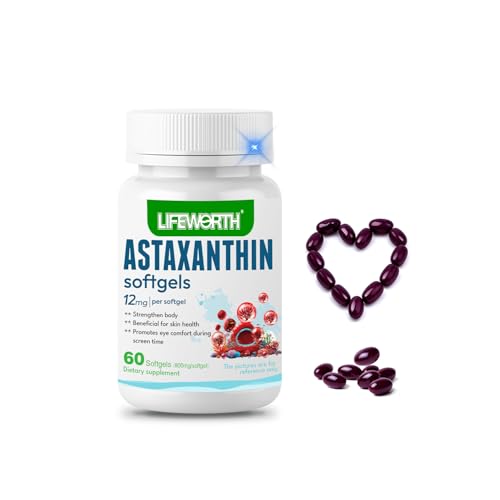
Supplements derived from Haematococcus pluvialis algae allow for consistent, controlled doses without requiring high seafood intake. Krill oil occupies a middle ground, providing both astaxanthin and omega-3s in one product. The NIH Office of Dietary Supplements maintains a comprehensive database of nutrients and supplements that can help you cross-reference the evidence base for any compound you are considering.
For those who eat seafood regularly, diet contributes a background level of astaxanthin. For those with therapeutic goals or restricted diets, supplements may fill an important gap. You can explore how to evaluate supplement quality at our guide to choosing astaxanthin products.
Frequently Asked Questions
Which food has the highest astaxanthin content?
Among commonly eaten foods, wild sockeye salmon is widely recognized as the richest source of naturally occurring astaxanthin. At the biological source level, the microalga Haematococcus pluvialis contains far higher concentrations by weight, but it is not a conventional food item. It is instead the basis for most astaxanthin supplements.
Can I get enough astaxanthin from eating salmon a few times a week?
Eating wild salmon several times per week is a positive dietary habit that will provide meaningful astaxanthin alongside other nutrients. However, the doses used in many clinical studies are higher than what a typical salmon-eating pattern is likely to deliver. Whether diet alone is sufficient depends on your personal health goals, and it is worth discussing with a healthcare professional if you have specific outcomes in mind.
Does cooking destroy astaxanthin in seafood?
Astaxanthin is relatively stable under normal cooking conditions. The color change you see when shrimp or lobster is cooked actually reflects astaxanthin being released from proteins, making it more visible rather than less present. High-heat extended cooking may degrade some carotenoids, but standard preparation methods such as baking, steaming, or grilling do not appear to eliminate astaxanthin significantly.
Are there any herbs or spices that contain astaxanthin?
No common herbs, spices, or plant-based seasonings contain astaxanthin. The compound is essentially absent from the plant kingdom in meaningful amounts. If you have seen marketing suggesting otherwise, it likely refers to related carotenoids such as beta-carotene or lutein, which are distinct compounds with different properties and food sources.
Is farmed salmon a reliable source of astaxanthin?
Farmed salmon does contain astaxanthin or related carotenoids, but there is important nuance here. Some farmed salmon receives synthetic canthaxanthin rather than natural astaxanthin to achieve the familiar pink flesh color. When natural astaxanthin is used in feed, the farmed fish can be a reasonable source, but generally at lower levels than wild-caught sockeye. Checking labels or sourcing information when possible helps you identify what you are actually getting.
References
- Astaxanthin: sources, extraction, stability, biological activities and its commercial applications – a review. Marine Drugs (2014). PMID 24402174
- Astaxanthin for the Food Industry. Molecules (2021). PMID 34063189
These statements have not been evaluated by the Food and Drug Administration. This information is not intended to diagnose, treat, cure, or prevent any disease. Content is for informational purposes only and is not medical advice; consult a qualified healthcare provider before starting any supplement. As an Amazon Associate we earn from qualifying purchases.
