“Internal sunscreen” is a phrase that shows up a lot in astaxanthin marketing, and it oversells what the evidence actually supports. Astaxanthin has no SPF, absorbs no UV radiation the way a sunscreen filter does, and cannot replace topical sun protection. What a small number of human and animal studies do suggest is something narrower and more interesting: taken orally over several weeks, astaxanthin may raise the skin’s tolerance threshold before sunburn sets in and blunt some of the downstream damage once UV exposure happens. That is a real, if modest, finding worth separating from the marketing language around it.
This article looks specifically at sunburn and UV-induced skin damage, distinct from the general skin-aging and elasticity research covered elsewhere on this site. The central question here is narrower: can astaxanthin change how much UV exposure it takes to burn, and does it reduce damage after exposure occurs.
Key Takeaways
- A randomized, double-blind, placebo-controlled human trial found that 4 mg/day of oral astaxanthin for 9 weeks increased the minimal erythema dose (MED) — the amount of UV exposure needed to produce visible sunburn — compared to placebo [1].
- The same trial found astaxanthin supplementation reduced UV-induced loss of skin moisture in irradiated skin compared to placebo [1].
- A 2025 systematic review of oral photoprotective supplements found carotenoids, including astaxanthin, among the categories with the strongest human evidence for photoprotection, though it also flagged small sample sizes and short trial durations across the field [2].
- Astaxanthin is not a sunscreen substitute: it has no SPF rating, blocks no UV radiation directly, and every study in this area used it alongside — not instead of — normal sun exposure or protection.
- Topical astaxanthin formulations have also shown UV-protective effects in research settings, but oral and topical delivery have not been directly compared head-to-head for sunburn-specific outcomes [3].
The Human Trial That Actually Measured Sunburn Threshold
The most directly relevant study is a 2018 randomized, double-blind, placebo-controlled trial in 23 healthy Japanese adults. Participants took either a 4 mg astaxanthin capsule or a placebo daily for 10 weeks. To assess UV protection specifically, the researchers measured the minimal erythema dose (MED) — the smallest amount of UV exposure that produces visible reddening, which is the clinical definition of a sunburn threshold — at baseline and after 9 weeks of supplementation [1].
The astaxanthin group showed an increased MED compared to placebo, meaning it took more UV exposure to produce the same degree of redness. The astaxanthin group also had less loss of skin moisture and less transepidermal water loss (a marker of compromised skin barrier function) in UV-irradiated areas compared to placebo. Participants using astaxanthin also reported subjective improvements in skin roughness and texture, though those measures were self-reported rather than objectively scored.

This is a genuinely useful data point, but it is a single small trial (23 total participants across both arms) funded by a supplement ingredient manufacturer, which is a real limitation worth naming rather than glossing over. An increase in MED is a meaningful physiological signal — it means skin tolerated more UV before burning — but it is not the same as a clinical claim that astaxanthin “prevents” sunburn outright, and no trial has tested whether it reduces sunburn incidence or severity during real-world sun exposure outside a controlled UV-lamp setting.
Where Astaxanthin Fits Among Oral Photoprotective Supplements
Astaxanthin is one of several nutritional compounds researchers have studied for oral photoprotection, alongside Polypodium leucotomos extract, other carotenoids like lutein and lycopene, and polyphenols. A 2025 systematic review pulling together 47 human studies on dietary photoprotection found that carotenoid-based supplements and Polypodium leucotomos had the strongest evidence among the categories studied, while isolated vitamin or coenzyme Q supplementation showed the weakest evidence [2].
The review’s broader conclusion is a useful frame for astaxanthin specifically: dietary supplements may offer real, measurable photoprotective support, but the evidence base across the field is still limited by small sample sizes and short trial durations, and researchers have not yet nailed down optimal dosing or how long supplementation needs to run before protective effects show up. That caution applies to astaxanthin as much as any other compound in the review.
Oral vs. Topical: Two Different Delivery Routes, Not Yet Compared Head-to-Head
Separate from oral supplementation, laboratory research has also tested topical astaxanthin formulations for UV protection. One study using a liposomal astaxanthin formulation applied directly to skin found protective effects against UV-induced damage markers in a research setting [3]. Topical and oral astaxanthin work through different pathways — topical application concentrates the compound at the skin surface, while oral supplementation distributes it systemically and depends on absorption, circulation, and deposition in skin tissue over time.
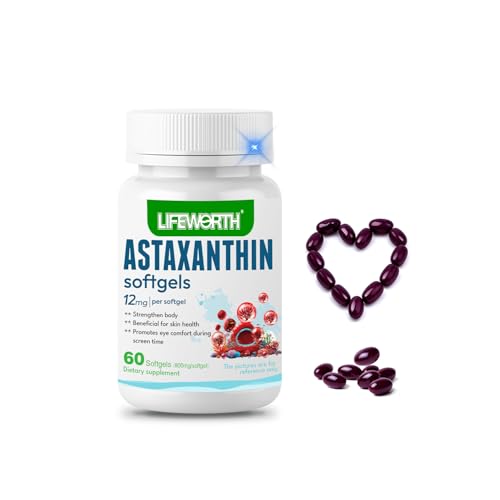
No published trial has directly compared oral versus topical astaxanthin for sunburn-specific outcomes like MED, so it is not possible to say which route is more effective, or whether combining both offers an additive benefit. Some product lines market combination approaches, but that is a commercial strategy rather than a tested clinical protocol.
What This Does and Doesn’t Mean in Practice
If you already take an oral astaxanthin supplement, the MED trial suggests a plausible secondary benefit: modestly increased tolerance to UV exposure and reduced UV-related moisture loss, developing over roughly 9 to 10 weeks of consistent daily use at doses around 4 mg. That is a real, evidence-supported effect, not a marketing fabrication.
What it does not mean is that astaxanthin can substitute for sunscreen, protective clothing, shade, or avoiding peak UV hours. No study has tested astaxanthin as a stand-alone sun-protection strategy, none report an SPF-equivalent value, and none measured outcomes like skin cancer risk. The “internal sunscreen” framing implies a level of protection the current evidence does not support — astaxanthin is, at best, a modest adjunct to established sun-safety practices, not a replacement for any of them.
Frequently Asked Questions
Can astaxanthin replace sunscreen?
No. Astaxanthin has no SPF rating and does not block UV radiation the way a sunscreen filter does. Every study on astaxanthin and UV protection used it alongside normal sun exposure, not as a substitute for sunscreen, protective clothing, or shade.
Does astaxanthin actually raise sunburn tolerance?
One randomized, double-blind, placebo-controlled trial in 23 healthy adults found that 4 mg per day of oral astaxanthin for 9 weeks increased the minimal erythema dose (MED), meaning it took more UV exposure to produce visible sunburn compared to placebo. This is a single small industry-funded trial, not a large confirmed body of evidence.
How long does it take for astaxanthin to affect sunburn tolerance?
The trial that measured minimal erythema dose used 9 to 10 weeks of daily supplementation before testing the effect. Shorter-term use has not been studied for this specific outcome.
Is oral or topical astaxanthin better for UV protection?
No study has directly compared oral versus topical astaxanthin for sunburn-specific outcomes. Topical formulations have shown UV-protective effects in research settings, and oral supplementation has shown increased minimal erythema dose in a separate human trial, but the two delivery routes have not been tested head-to-head.
References
- The Protective Role of Astaxanthin for UV-Induced Skin Deterioration in Healthy People-A Randomized, Double-Blind, Placebo-Controlled Trial. Nutrients (2018). PMID 29941810
- Oral Supplements and Photoprotection: A Systematic Review. J Med Food (2025). PMID 39804624
- Protective effects of topical application of a poorly soluble antioxidant astaxanthin liposomal formulation on ultraviolet-induced skin damage. J Pharm Sci (2012). PMID 22628205
These statements have not been evaluated by the Food and Drug Administration. This information is not intended to diagnose, treat, cure, or prevent any disease. Content is for informational purposes only and is not medical advice; consult a qualified healthcare provider before starting any supplement. As an Amazon Associate we earn from qualifying purchases.
