Astaxanthin is a red-pink keto-carotenoid best known for giving salmon and shrimp their color. It is produced naturally by the microalga Haematococcus pluvialis, the yeast Phaffia rhodozyma, and a handful of other organisms, but it can also be manufactured synthetically from petrochemical precursors. Walk into any supplement aisle and you will encounter products labeled ‘natural astaxanthin’ alongside far cheaper synthetic versions, often accompanied by strong marketing claims on both sides.
Whether the source actually matters depends on what you are asking. The two forms are chemically similar but structurally distinct at the molecular level—differences in stereochemistry and esterification that may influence how the body handles the compound. This article reviews what the science shows about those differences honestly, without overstating conclusions from research that is still maturing.
Key Takeaways
- Natural astaxanthin from H. pluvialis is predominantly the (3S,3’S) stereoisomer in esterified form; synthetic astaxanthin is a racemic mixture of three stereoisomers in free form—a meaningful structural difference.
- Stereochemical differences between natural and synthetic forms are biologically plausible, but direct human clinical evidence comparing their effects is limited and does not yet support firm superiority claims for either.
- Aquaculture research shows both natural and synthetic astaxanthin produce measurable benefits in shrimp, with differences between sources that vary by specific outcome measured.
- Natural H. pluvialis astaxanthin has GRAS status and a clean human safety profile at up to 12 mg/day; synthetic astaxanthin is approved for animal feed but has faced more regulatory scrutiny for human supplement use.
- Microbial fermentation is emerging as a third production route that may eventually offer stereochemically defined forms at competitive prices, complicating the simple natural-vs-synthetic framing.
What Astaxanthin Is and Where It Comes From
Astaxanthin (3,3′-dihydroxy-β,β-carotene-4,4′-dione) is a xanthophyll carotenoid with a molecular structure that allows it to span the full thickness of a cell membrane—an unusual property that enables it to quench free radicals and singlet oxygen on both the lipid interior and the water-facing exterior of the membrane simultaneously [1]. This dual-phase antioxidant activity is one reason it has attracted scientific interest beyond simpler carotenoids like beta-carotene.
In nature, the richest source is the microalga Haematococcus pluvialis, which accumulates astaxanthin as a protective stress response to nutrient deprivation, high light intensity, or elevated salinity [2]. The yeast Phaffia rhodozyma is a second microbial source used mainly in aquaculture feed. Synthetic astaxanthin, by contrast, is produced through multi-step chemical synthesis from petrochemical intermediates and has been commercially available since the 1980s, with most global output destined for salmon and shrimp farming [3].
Natural Astaxanthin: The H. pluvialis Form
Haematococcus pluvialis is capable of accumulating astaxanthin at concentrations up to approximately 4–5% of its dry weight under stress conditions, which represents the highest natural accumulation recorded in any organism [2]. Commercial production typically involves a two-stage cultivation process: a green growth phase followed by a red stress-induction phase that triggers carotenoid synthesis.
A key structural feature of natural astaxanthin from H. pluvialis is that it exists predominantly in esterified form—the molecule is bound to one or two fatty acid chains at its hydroxyl groups [4]. Esterification is thought to protect the molecule from oxidation during storage and digestion; the free form must be released by intestinal esterases before absorption can occur. Natural astaxanthin from H. pluvialis also contains the (3S,3’S) stereoisomer as the dominant configuration [3].

Synthetic Astaxanthin: Production and Stereochemical Composition
Synthetic astaxanthin is manufactured through multi-step chemical synthesis typically beginning with petrochemical-derived precursors such as acetylene-based intermediates through condensation and oxidation reactions [3]. This process yields a mixture of all three possible stereoisomers: (3S,3’S), (3R,3’R), and the meso form (3R,3’S), in roughly equal proportions—a racemic mixture. This contrasts sharply with natural H. pluvialis astaxanthin, which is predominantly the (3S,3’S) configuration.
Synthetic astaxanthin is also produced in the free, non-esterified form, whereas natural microalgal astaxanthin is predominantly esterified [4]. Both forms require metabolic processing before the body can utilize them, but the intestinal handling differs between the two. Synthetic astaxanthin dominates global production volume because it is substantially less expensive to manufacture; the majority is used in aquaculture to pigment farmed salmon and shrimp flesh [4].
Stereochemistry: Why Molecular Shape Could Matter
Carotenoids with chiral centers—like astaxanthin—can exist as mirror-image forms that interact differently with biological systems. The (3S,3’S) configuration predominant in H. pluvialis-derived astaxanthin is the same stereoisomer found in marine animals such as wild salmon and krill that naturally consume microalgae [3]. The yeast Phaffia rhodozyma, by contrast, predominantly produces the (3R,3’R) form [5], illustrating that different biological sources yield different stereochemical profiles.
Whether the human body preferentially absorbs or utilizes one stereoisomer over the others remains an active area of investigation. Reviews of astaxanthin chemistry note that stereochemical differences are biologically plausible and worth continued study, but direct human pharmacokinetic trials comparing the natural and synthetic forms are limited and do not yet support firm conclusions about whether one form delivers meaningfully superior health outcomes [3] [1].
Evidence from Aquaculture: What Source Comparisons Show
One relatively well-controlled area of source comparison is aquaculture nutrition, where astaxanthin form and origin have been systematically studied for effects on growth, antioxidant capacity, immune function, and pigmentation in farmed species. A 2025 study in Pacific white shrimp (Litopenaeus vannamei) compared dietary synthetic astaxanthin, natural astaxanthin from H. pluvialis, and natural astaxanthin from Phaffia rhodozyma across these endpoints [5].
The study found that all three sources improved growth performance, antioxidant enzyme activity, innate immune markers, and flesh pigmentation relative to unsupplemented controls, with outcome-dependent differences observed between sources [5]. This suggests the source is not irrelevant—the forms do differ in their effects—but it also shows that synthetic astaxanthin is not without benefit. Extrapolating from shrimp to human nutrition requires significant caution; the metabolic, physiological, and dietary context differs substantially. These findings nonetheless illustrate why source comparison is a scientifically legitimate question rather than just a marketing one.

Regulatory Status, Safety, and What Comes Next
Natural astaxanthin from H. pluvialis holds Generally Recognized as Safe (GRAS) status in the United States and has been evaluated in human clinical trials at doses up to 12 mg per day for periods up to 12 weeks without serious adverse effects [1]. The only consistently reported side effect at very high doses exceeding 20 mg per day is carotenodermia—a reversible yellowing or orange tinting of the skin—which resolves when intake is reduced. Evidence in pregnancy is insufficient, so supplementation during pregnancy or breastfeeding is not recommended.
Synthetic astaxanthin has regulatory approval as a color additive in animal feed across many jurisdictions but faces more scrutiny for direct human supplement use, partly due to its petrochemical origin and racemic stereoisomer profile [4]. A separate and growing pathway involves microbial fermentation using engineered bacteria and yeast strains optimized to produce astaxanthin at scale; advances in this area may eventually yield stereochemically purer forms at lower costs than either current natural cultivation or chemical synthesis [6].
For consumers evaluating supplements, the practical distinctions are these: natural H. pluvialis-sourced astaxanthin is typically esterified and (3S,3’S)-dominant; synthetic is free-form and racemic. Price per milligram is substantially lower for synthetic forms. The supplement market is not uniformly regulated, so third-party testing for potency and purity is an important consideration regardless of which source a product claims.
🛒 Where to Buy Astaxanthin
- Nutrex Hawaii BioAstin Hawaiian AstaxanthinLab-tested / studied
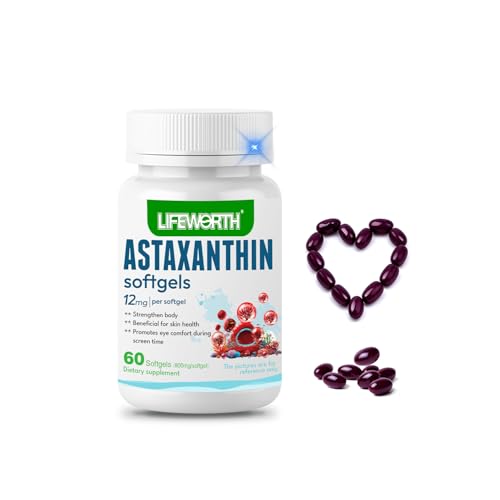
softgels, 12 mg per softgel, 90 count — Hawaiian-grown Haematococcus pluvialis, sold as the High Potency 90-softgel bottle - Pure Synergy SuperPure Astaxanthin Extract
capsules, 60 count — Sold as an astaxanthin extract in a capsule rather than a softgel; the listing does not state a mg per capsule, so check the label for the dose before comparing it with the 12 mg bottles here - Naturalis New Zealand Astaxanthin
softgels, 12 mg per softgel, 120 count — New Zealand-grown rather than Hawaiian, and the largest bottle on this list at 120 softgels - NOW Foods Astaxanthin
softgels, 4 mg per softgel — The entry-level 4 mg dose, built on the Zanthin astaxanthin ingredient; a lower starting point than the 12 mg bottles above
As an Amazon Associate we earn from qualifying purchases. Astaxanthin products vary mainly by dose and by source, with 4mg and 12mg the common strengths and most of them derived from Haematococcus pluvialis algae, so check the label for the astaxanthin content per serving and prefer products that publish third-party testing.
A Note on the Evidence
Direct human clinical evidence comparing natural and synthetic astaxanthin head-to-head is limited; most stereoisomer and bioavailability data come from animal or aquaculture studies. Anyone with a medical condition, those taking anticoagulant or blood pressure medications, and anyone who is pregnant or breastfeeding should consult a qualified healthcare provider before adding astaxanthin to their routine. This article is informational and does not constitute medical advice.
Frequently Asked Questions
Is natural astaxanthin more potent than synthetic?
The most cited structural distinction is stereochemistry: natural H. pluvialis astaxanthin is predominantly the (3S,3’S) form, while synthetic is a racemic mixture of three stereoisomers [3]. Some researchers hypothesize the (3S,3’S) form has higher biological activity, but direct head-to-head human RCTs are limited and no definitive potency ratio has been established from human clinical data.
Where does synthetic astaxanthin come from?
Synthetic astaxanthin is manufactured through multi-step chemical synthesis beginning with petrochemical precursors, typically acetylene-based intermediates [3]. It has been commercially produced since the 1980s primarily for aquaculture—to pigment the flesh of farmed salmon and shrimp—and represents the majority of global astaxanthin production by volume [4].
Why is H. pluvialis considered the best natural source?
H. pluvialis can accumulate astaxanthin at concentrations up to approximately 4–5% of its dry weight under stress conditions, which is the highest natural accumulation recorded in any organism [2]. This high yield per unit of biomass makes large-scale commercial extraction economically viable compared to other natural sources.
Are there other microbial sources of astaxanthin besides H. pluvialis?
Yes. The yeast Phaffia rhodozyma produces astaxanthin predominantly in the (3R,3’R) configuration and is used in aquaculture feed [5]. Engineered bacterial and yeast strains are also being developed as fermentation-based production platforms [6], and research in this area is advancing rapidly as alternatives to both algae cultivation and chemical synthesis.
Is astaxanthin safe to supplement?
Human trials of natural astaxanthin from H. pluvialis at doses up to 12 mg per day for up to 12 weeks have not identified serious adverse effects [1]. At very high doses exceeding 20 mg per day, reversible skin yellowing (carotenodermia) has been reported. Evidence is insufficient to confirm safety during pregnancy or breastfeeding, so supplementation is not recommended in those groups.
Does the esterified vs free form affect how astaxanthin is absorbed?
Natural astaxanthin from H. pluvialis is predominantly in esterified form—bound to fatty acid chains—while synthetic astaxanthin is in the free form [4]. Intestinal esterases must release the free form from esters before absorption, and the presence of dietary fat with either form appears to support uptake. Whether one form results in meaningfully different blood levels or tissue distribution in humans requires further direct comparison.
References
- Kumar S et al. Astaxanthin: A super antioxidant from microalgae and its therapeutic potential. Journal of basic microbiology (2022). PMID 34817092
- Shah MM et al. Astaxanthin-Producing Green Microalga Haematococcus pluvialis: From Single Cell to High Value Commercial Products. Frontiers in plant science (2016). PMID 27200009
- Higuera-Ciapara I et al. Astaxanthin: a review of its chemistry and applications. Critical reviews in food science and nutrition (2006). PMID 16431409
- Stachowiak B et al. Astaxanthin for the Food Industry. Molecules (Basel, Switzerland) (2021). PMID 34063189
- Lou G et al. Dietary Synthetic Astaxanthin and Natural Astaxanthin From Haematococcus pluvialis and Phaffia Rhodozyma Improves the Growth, Antioxidant Capacity, Innate Immunity, and Pigmentation of Pacific White Shrimp (Litopenaeus vannamei). Aquaculture nutrition (2025). PMID 41031291
- Mussagy CU et al. Advances in microbial astaxanthin production. Advances in applied microbiology (2024). PMID 39059842
These statements have not been evaluated by the Food and Drug Administration. This information is not intended to diagnose, treat, cure, or prevent any disease. Content is for informational purposes only and is not medical advice; consult a qualified healthcare provider before starting any supplement. As an Amazon Associate we earn from qualifying purchases.
